Auburn Professional Flight Program:
Local Alternative
Near Campus
Considering Auburn University's professional flight program? Blue Skies Above is the local Part 61 flight school 30 minutes from campus. Earn your PPL, instrument rating, commercial certificate, and CFI with no waitlist, student-paced scheduling, transparent pay-as-you-go pricing, and no minimum billing.
A Smarter Path to the Cockpit
Is a University Pro Flight Program Right for You?
While university programs are excellent, getting waitlisted can derail your plans. Part 61 flight schools like Blue Skies Above offer the supplemental training you need to stay on track. We help you earn your pilot certifications locally and efficiently, so you're checkride-ready when the university blocks open up.
- AVMF 2171 & PPL Acceleration
- Don't let the AVPF waitlist delay your graduation. Earn your PPL before freshman year (AVMF 2171 equivalent) with us and transfer it in for Advanced Placement credit.
- Train in Auburn Airspace (KAUO)
- Train in the complex airspace you'll fly in for 4 years. Florida flight schools can't teach you the nuances of local ATC and weather patterns like we can.
- Zero Travel & Hotel Costs
- Why spend thousands on hotels in Florida? We are a short 30-minute drive from your dorm. Keep your apartment, your job, and your life while you fly.
- Same Fleet, Better Availability
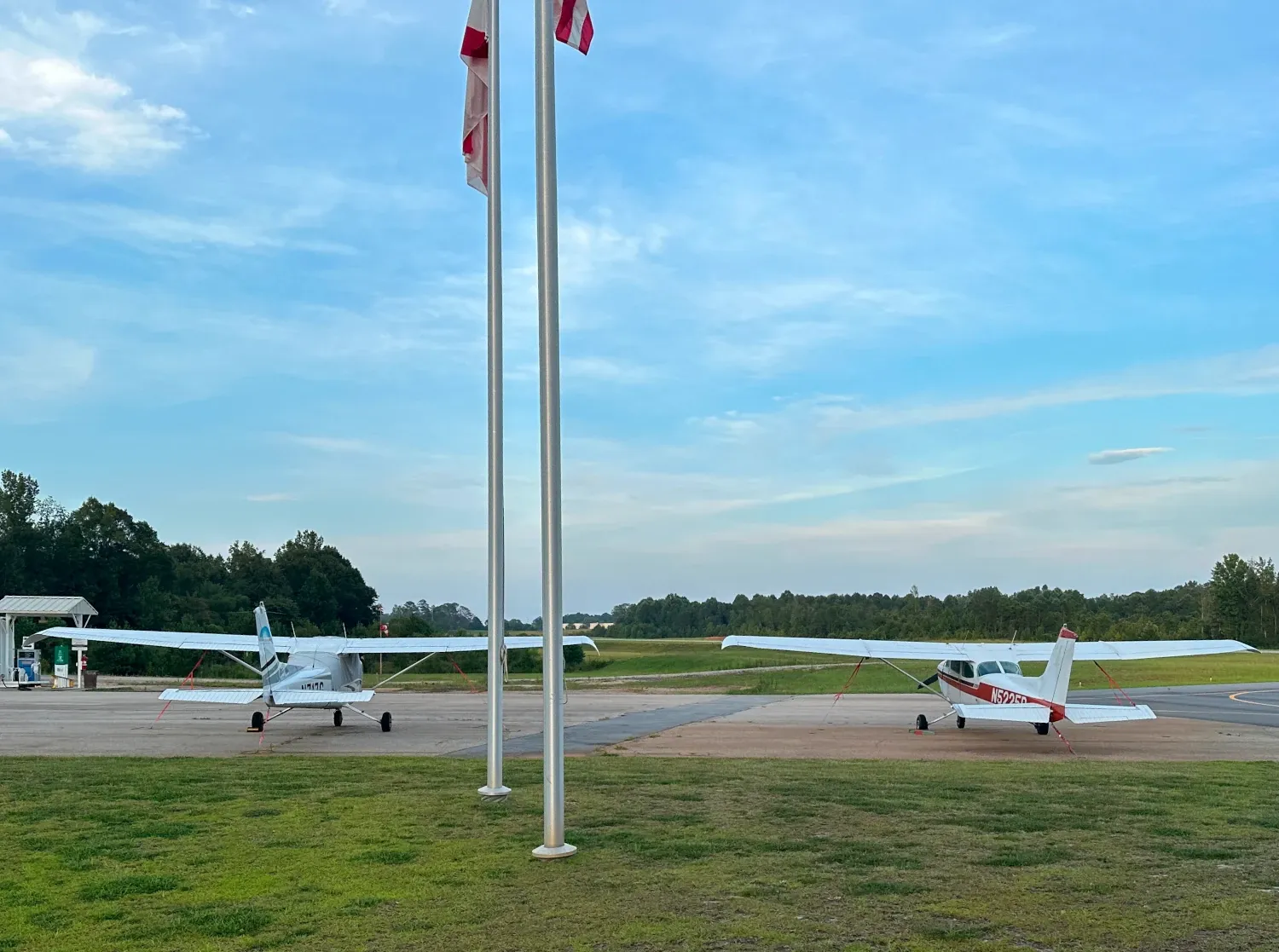
- Fly the Cessna 172S - the exact same aircraft used by universities. Master the flows and checklists you need for your degree without the wait.
Master the Same Sky, the Same Plane, and the Same Controls
Don't let an AVPF waitlist stall your professional pilot career. While others travel out of state and pay for expensive hotels to fly in unfamiliar airspace, you can stay local and master the nuances of KAUO right now. Our training utilizes the same Cessna 172S equipment used for university flight blocks, allowing for a seamless transition when your space opens up. By training locally, you master the local ATC frequencies and weather patterns you'll rely on for the next four years, all while remaining a short drive from your dorm or apartment.
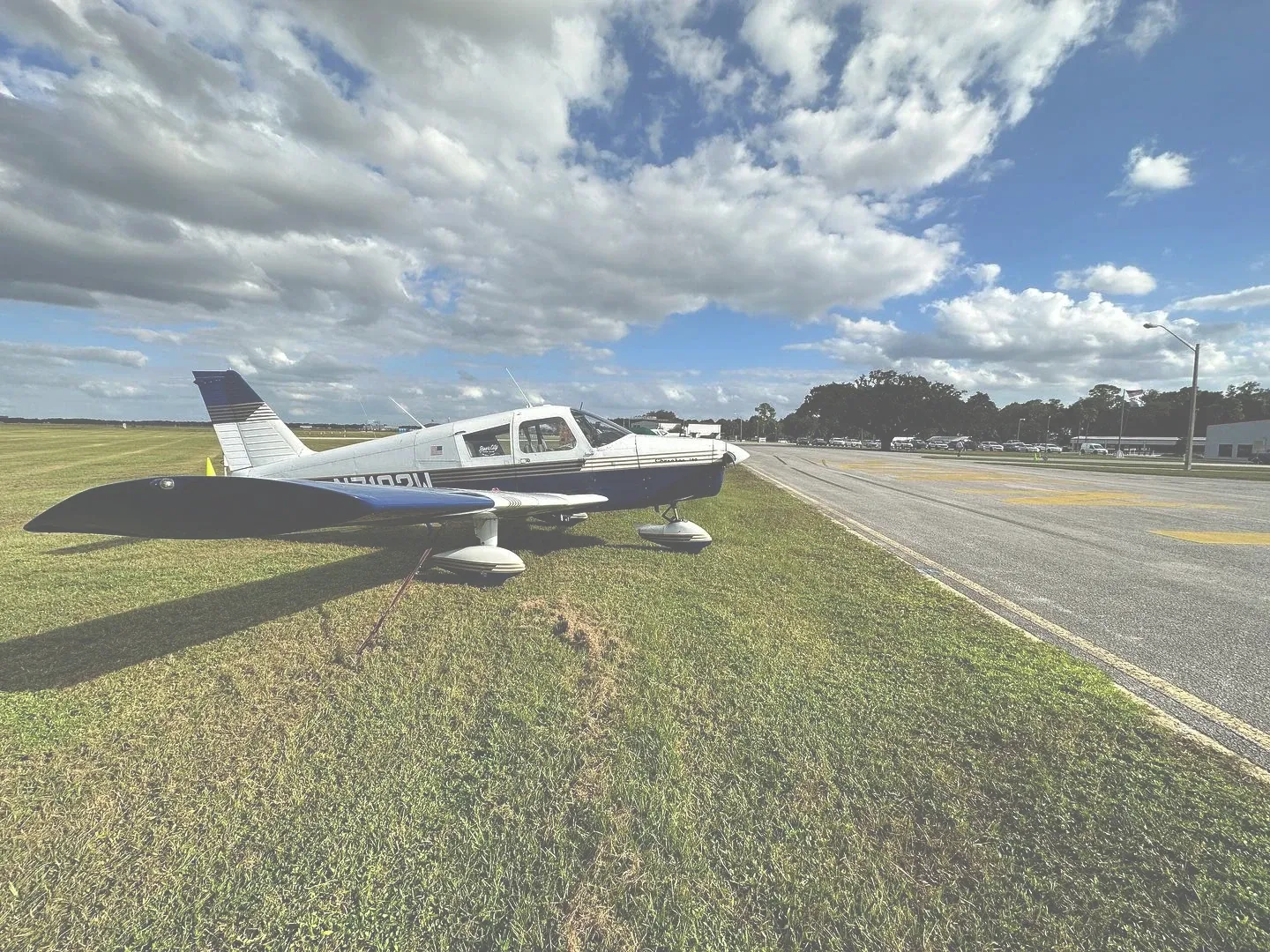
Out-of-State Travel vs. The Local Advantage
Why travel hundreds of miles when the best training is right here? Compare the difference.
Travel-Based Training
Accelerated programs that require leaving town for weeks at a time.
- Requires 2+ weeks of travel & hotel costs
- Unfamiliar training airspace & terrain
- High-pressure, rigid training timelines
- Separation from your local academic schedule
The Local Advantage
Train at your pace, near campus, in the airspace you'll fly in for years.
- Short 30-min drive from Auburn (Sleep in your own bed!)
- Master the local airspace & ATC communications
- Flexible scheduling around your actual classes
- Seamless transition into university flight blocks
Education Paths Breakdown
The Cost of Waiting
The traditional university route is a high-risk gamble with your most valuable asset: time. Auburn's professional pilot program is one of the most competitive in the Southeast — accepting only 120 freshmen per year with a secondary application process and a mandatory PPL by August 1st. While students at a university flight school in Alabama spend four years accumulating nearly $200,000 in debt before they even begin building their 1,500 hours, our students are already in the air. By choosing our Professional Pilot Path near Auburn and Opelika, you aren't just saving on tuition: you're gaining years of high-income seniority that a classroom simply cannot provide.
By Year 3, the financial gap becomes undeniable. While your peers looking for Auburn flight training or pilot training in Columbus, Georgia are entering their junior year and adding another $45,000 to their debt balance, you've already reached the break-even point. As a Senior CFI at our Lanett, Alabama flight school or even a Regional First Officer, you are earning professional wages, building your "seniority," and enjoying airline benefits while others are still taking general education electives.
Freshman Year
General Education classes, expensive campus housing, and meal plans. Just getting started on a degree.
Professional Pilot Path
Immersive full-time training. Completing Private, Instrument, and Commercial ratings plus Flight Instructor certs.
Sophomore Year
Major-specific courses. High tuition for academic credits that don't build a career skill yet.
Professional CFI
Working as a paid Flight Instructor. Building the 1,500 hours required for airlines while earning a salary.
Junior Year
Advanced degree coursework. Still 2 years away from graduation and building significant student loan debt.
Senior Flight Instructor
Promoted to Senior CFI or Lead Pilot. Reaching Net Positive status and preparing for airline recruitment.
Senior Year & Graduation
Graduating with a traditional degree and ~$180k in debt. Now starting the search for an entry-level job.
Airline First Officer
Hired by a Regional Airline. Earning professional pilot wages and airline benefits while uni peers start entry-level.
Invest In Your Future
Ready to Start Your Story?
Don't spend four years accumulating debt. Spend them building a career and earning the future you deserve. Our Part 61 program is the fastest, most cost-effective path to the airline cockpit.
Fly with us
Register now!
If you aim to complete your Private Pilot Certificate by the spring semester, we recommend starting at least six months in advance, regardless of prior experience.
Professional Flight Program FAQs
Common questions about comparing traditional university flight degrees to Part 61 accelerated flight training near Auburn.
What is Auburn University's professional flight program acceptance rate?
Auburn's Professional Flight program accepted 120 freshmen and 20 transfer students for fall 2025. It requires a secondary application, competitive GPA and math scores, and incoming freshmen must hold their PPL by August 1st. If you're waitlisted or didn't get in, training at Blue Skies Above keeps your progress on track while you reapply.
Does training at Blue Skies Above count toward Auburn's professional flight program?
FAA certificates earned at Blue Skies Above are federally recognized. Students who hold a Private Pilot Certificate before enrolling may qualify for 7 hours of advanced placement credit covering AVMF 2150, 2171, and 2181 — subject to passing Auburn's written exam and proficiency check. Transfer applicants must also hold a PPL at the time of applying.
How much does the Auburn professional flight program cost compared to Blue Skies Above?
Auburn's program bundles flight training into tuition, housing, and fees that can total $40,000–$50,000 per year before you build meaningful flight hours. At Blue Skies Above you pay only for the hours you fly and the instruction you receive — no bundled tuition, no hidden fees, and no minimum billing.
Can I become a professional pilot without a university aviation degree?
Yes. The FAA does not require a degree to become a commercial pilot or airline pilot. What matters is your certificates, ratings, and total flight hours. Many professional pilots complete their ratings at Part 61 or Part 141 schools like Blue Skies Above and go direct to regional airlines, bypassing the four-year university route entirely.
What is R-ATP and does Blue Skies Above training count toward it?
R-ATP reduces the flight hours required to reach the airlines from 1,500 down to 1,000 hours. Auburn's program is FAA-authorized for R-ATP. Training at Blue Skies Above builds hours that count toward your overall R-ATP flight time — consult your Auburn advisor or an FAA designee on how your specific hours apply toward program requirements.
How long does it take to go from zero to professional pilot at Blue Skies Above?
Most students complete their Private Pilot Certificate in 3–6 months training regularly. From there, instrument rating typically adds 3–4 months, commercial another 4–6 months, and CFI another 2–3 months. A dedicated full-time student can realistically reach CFI in under two years — without waitlists or semester-based scheduling holding them back.
What happens if I'm not accepted into Auburn's professional flight program?
Students not admitted can enroll in a different major and reapply as an internal transfer — but transfer applicants must hold a Private Pilot Certificate and a 1st class medical at the time of applying. Starting your PPL at Blue Skies Above now puts you in a stronger position for that reapplication while keeping your aviation career on track.
Ready to Start Your Career?
Take control of your training timeline and budget. Enroll at Blue Skies Above and get on the fast track to becoming a professional pilot.
Disclaimer: Blue Skies Above is an independent flight training provider and is not affiliated with, endorsed by, or sponsored by Auburn University. References to Auburn University are used solely to describe location and to provide information about flight training options available to students in the Auburn, Alabama area.