Does Driving to a Pilot Course Add to Your Cost? A 2026 Guide
Published by:
Matthew Bourguignon
Published on:
Updated on:
Read time:
8 min read
Picture a student with a shoebox of gas receipts. Every lesson, they drive 30 minutes each way to the airport, and every week the receipts pile up. The gas feels like the big extra cost, but it is usually the smaller one.
If you are looking at a pilot course 30 minutes to an hour from home, the drive does add to what you spend. But the bigger cost of distance is hidden. It shows up when a long drive makes you skip lessons, and the gaps send you back to re-learning what you already knew, on the clock.
This guide shows you how to add up the real cost of driving to training and how to keep it small. At Blue Skies Above, we train at Lanett Municipal Airport, about 30 minutes from Auburn and about an hour from Columbus, so this is a question our students work through every week. For the price of training itself, our private pilot license cost breakdown covers both packages.
The two costs a drive adds to your training
Driving to a pilot course adds two kinds of cost. One is easy to see, and one is easy to miss.
The visible cost is the trip. Gas, wear on your car, and the time you spend driving. These are predictable. Once you know your round trip, you can multiply it by the number of trips and get a real number.
The hidden cost is the gap. When a drive feels like too much, lessons slip. A week off turns into two. When you come back, part of the next lesson goes to review instead of new skills, and you pay for that time like any other flight hour. We recommend flying two to three times a week because steady lessons build retention, and retention keeps every hour moving you forward.
The hidden cost is usually the bigger one, because review time is billed at the rate of an airplane and an instructor.
Drive times also depend on where you start and the traffic. Our post on drive times to Lanett lists typical times from Opelika, Auburn, Tuskegee, Columbus, Newnan, and Peachtree City.
How weekend blocks keep trips and gaps down
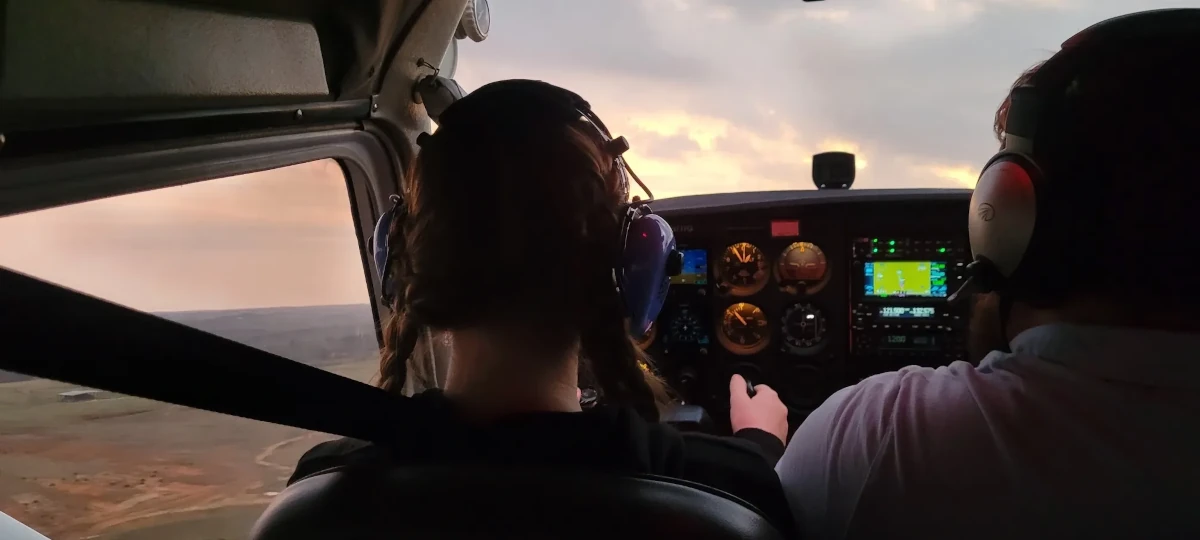
For students who drive 45 minutes or more, weekend blocks are one of the best ways to control both costs. We fly 7 days a week, so a Saturday lesson and a Sunday lesson are an easy plan to repeat.
Two weekend lessons meet the low end of our recommended two to three lessons a week. You drive on days when traffic is lighter and you are not rushing from work or school. Booking both days also gives you a backup when weather moves a lesson, so a cloudy Saturday does not turn into a two-week gap.
Right now our weekend schedule has open slots, so you can start without waiting. Our guide to weekend flight training walks through a full weekend plan.
How ground study at home shortens your time at the airport
Your training includes ground instruction on topics like aerodynamics, navigation, and aircraft systems, and our Full Program comes with a ground school kit. Reading at home on a weeknight means less time explaining concepts in the airplane, where the clock is running.
A simple routine helps. Before each lesson, ask your instructor what the next one will cover and read up on it at home. After each lesson, write down what felt shaky and bring it to your next ground session. The drive then carries you to new material instead of old questions.
What to sort out before your first drive
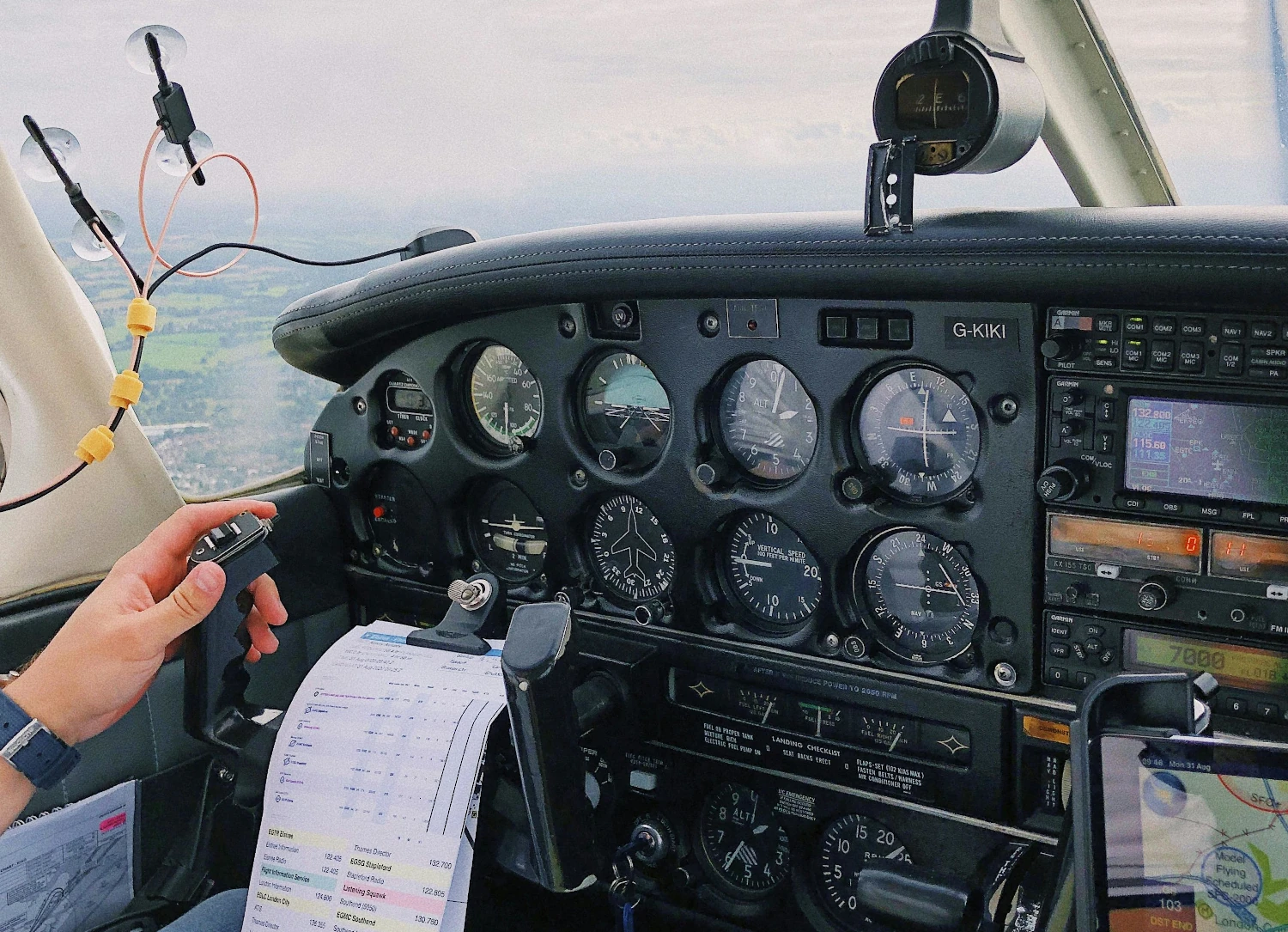
You do not need a medical or a student pilot certificate to take your first lesson with an instructor. You need both before your first solo, so book the medical early. A third-class medical is enough for student and private pilot privileges. If you have questions about your own medical history, an Aviation Medical Examiner is the right person to ask before you book your exam and first lessons.
Treat your first trip as a test. A Discovery Flight lets you drive the route once, take the controls with an instructor, and see how the trip feels before you commit to a weekly schedule. If the drive fits, you already know your route, your timing, and where to park when your training starts.
What the airport saves you once you arrive
The drive is only half the picture. What happens after you park matters too. At a busy airport, time spent waiting for a takeoff slot is time on the clock, with the airplane and your instructor both billing.
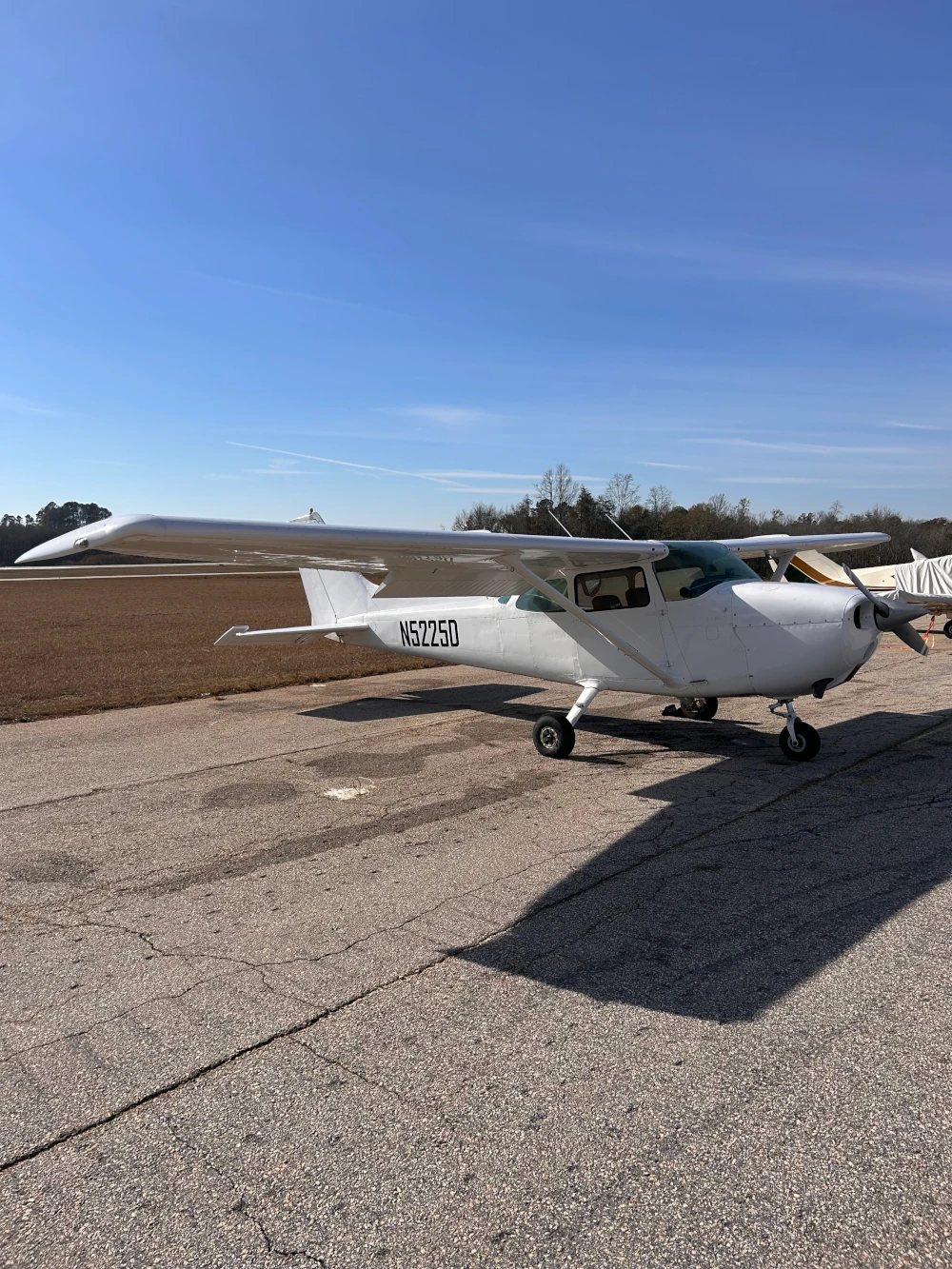
Lanett Municipal Airport has no control tower and uncongested airspace, so more of each lesson goes to flying. That means the hour you drove for is mostly an hour of training. Our post on why Lanett is a good place to start explains how our airport helps students spend their time in the air.
Billing works in your favor too. You pay for the time you fly, with no minimum billing, and headset rental and the 180HP upgrade are free.
Does a closer, busier airport save money?
Not always. A shorter drive helps, but time waiting on the ground at a busy airport is billed time. Compare both before you decide.
What if the weather cancels a lesson after I drive?
Your instructor makes the go or no-go call for safety. On a day with questionable weather, check in with your instructor before you leave. Booking two days in a row gives you a backup, so one cancellation does not turn into a long gap. Your instructor will always choose safety over the schedule, and a backup day means that choice costs you a day, not a week of momentum. That makes Saturday and Sunday a natural pair for students who drive in.
How far is Lanett from Auburn and Columbus?
We are about 30 minutes from Auburn and about an hour from Columbus, depending on where you start and traffic. Our post on drive times to Lanett covers more towns.
Do I need a medical before my first lesson?
No. You need a medical and a student pilot certificate before you solo, not before your first lesson. Starting the medical early keeps your plan moving.
Does the package price change if I drive farther?
No. Our packages and billing are the same for every student, wherever you live. You pay for the time you fly, with no minimum billing.
Can I study at home to cut trips?
Yes. Ground study at home on weeknights means your airport time goes to flying. Our guide to making the most of your ground lessons has routines that fit around a job.
Plan Your Trips Before Your First Lesson
The drive to a pilot course is a cost you can control. The first trip is the one that tells you the most.
Book a Discovery Flight and make the drive once to see how it fits your week.