Flight Training in Alabama: Your Guide to Local Options
Published by:
Matthew Bourguignon
Published on:
Updated on:
Read time:
8 min read
Dreaming of taking to the skies? Flight training in Alabama offers a unique blend of favorable flying conditions, diverse airspace, and a growing aviation community. Whether you’re a lifelong resident or considering a move to the state, understanding your local options is the first step toward earning your wings.
At Blue Skies Above, we believe that choosing the right flight school is about more than just location; it’s about finding a supportive environment that prioritizes your progress, safety, and budget. This guide will walk you through what makes Alabama an excellent place for pilot training and how Blue Skies Above stands out as a leading choice for aspiring aviators.
Why Choose Alabama for Your Flight Training?
Alabama’s aviation landscape provides several advantages for student pilots:
Favorable Flying Weather
With over 200 flyable days per year, Alabama boasts a climate conducive to consistent flight training. Mild winters and long daylight hours, especially in spring and fall, mean fewer weather-related cancellations and more time in the air. This consistency is crucial for building muscle memory and progressing efficiently through your ratings.
Diverse Airspace and Terrain
From the uncongested skies of rural areas to the more complex controlled airspaces around larger cities, Alabama offers a variety of environments to prepare you for real-world flying. You can practice basic maneuvers in quiet airspace and then transition to busier airports to hone your radio communication and air traffic control interaction skills. The state’s varied terrain, including rolling hills and coastal plains, also provides valuable experience in different flying conditions.
Growing Aviation Industry
Alabama has a strong and expanding aerospace industry, contributing to a vibrant aviation community. This growth translates into potential networking opportunities, local pilot jobs, and a supportive environment for those pursuing a career in aviation.
What to Look for in Alabama Flight Schools
When evaluating Alabama flight schools, consider these key factors to ensure you choose the best fit for your goals:
1. Location and Airspace Efficiency
The airport where you train significantly impacts your learning pace. Busy, congested airports can lead to wasted time and money waiting for clearances. Look for schools operating from airports that balance accessibility with efficient training conditions.
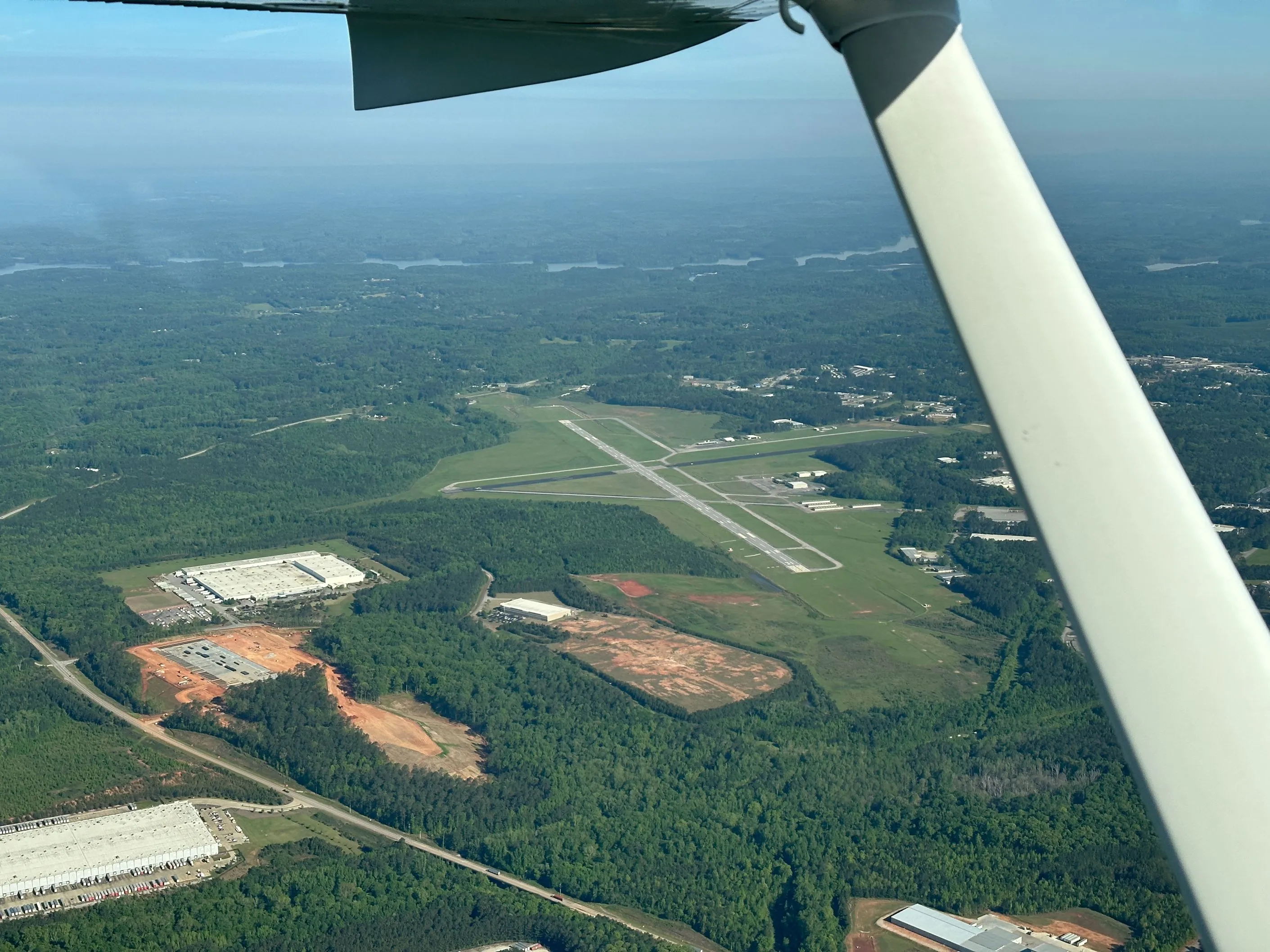
At Blue Skies Above, our home base at Lanett Municipal Airport (7A3) offers uncongested, tower-free airspace. This means you spend more time practicing maneuvers and less time idling on the taxiway, leading to faster progress and cost savings. We are conveniently located for students across East Alabama and West Georgia, including Auburn, Opelika, and Columbus.
2. Instructor Quality and Support
Your Certified Flight Instructor (CFI) is your most important resource. Seek out schools with experienced, patient, and dedicated instructors who are committed to your success.
Our instructors at Blue Skies Above are not just pilots; they are mentors who provide personalized guidance, turning complex aviation theory into practical, real-world skills. They understand the local flying environment and tailor instruction to your individual learning style.
3. Aircraft Fleet and Maintenance
Reliable aircraft availability is essential for consistent training. A school’s fleet size, variety, and maintenance program directly affect your ability to stay on schedule.
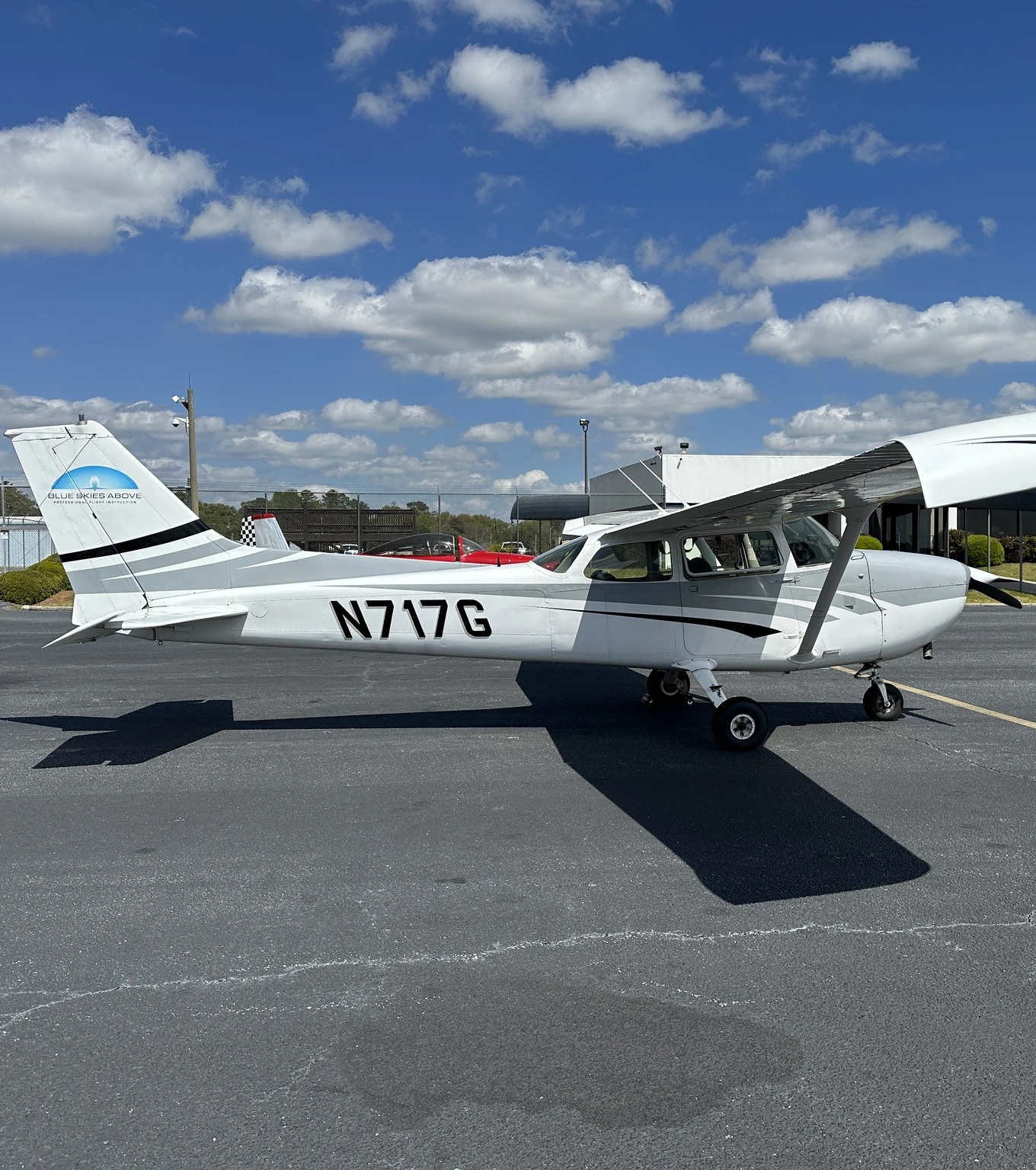
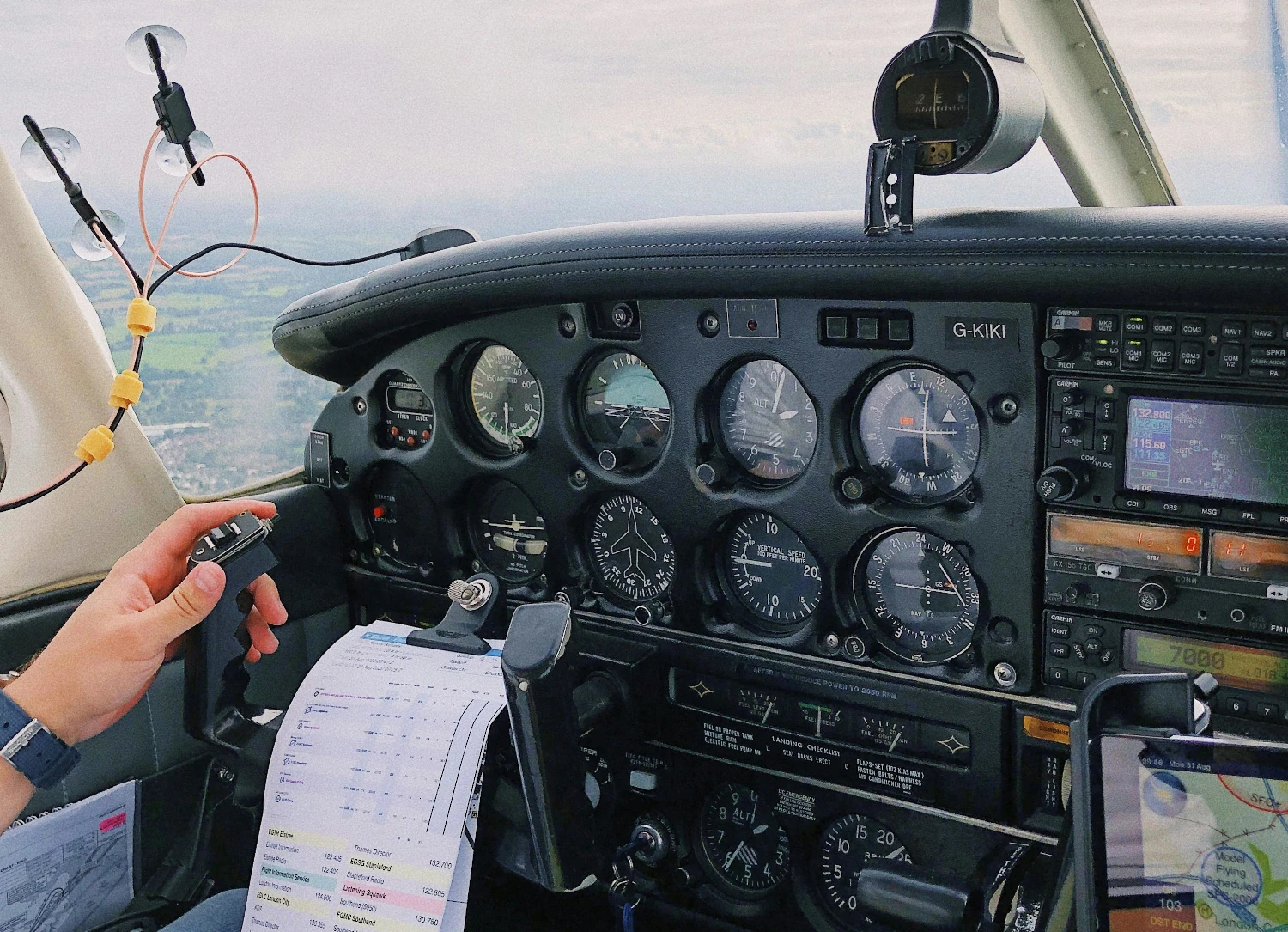
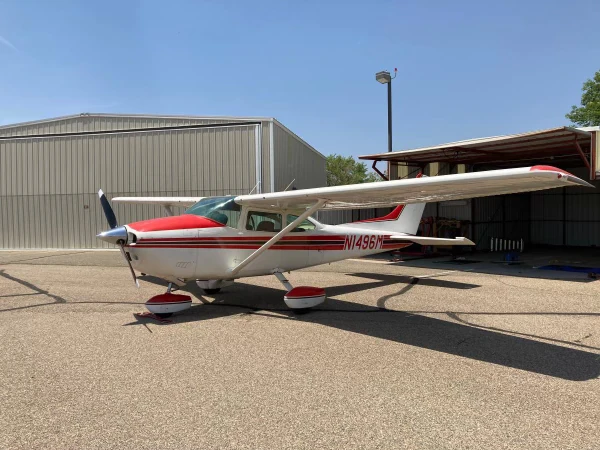
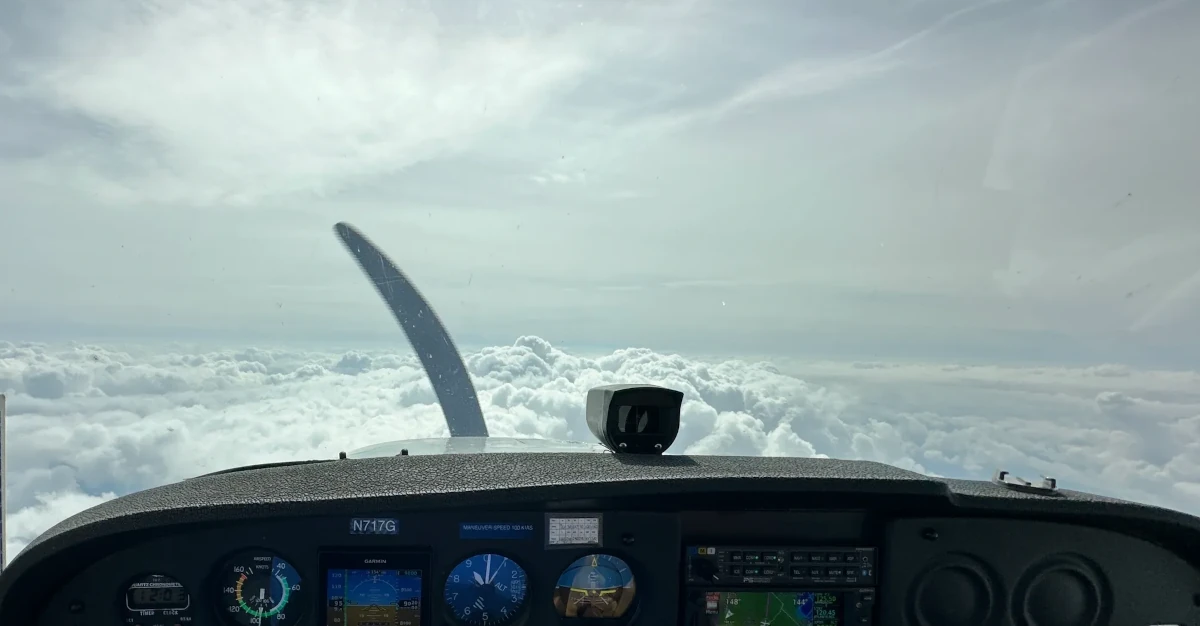
We operate a dedicated fleet of Cessna 172 aircraft, known for their stability and reliability. Our in-house maintenance team ensures our planes are always in top condition, minimizing interruptions to your training. We also feature Technically Advanced Aircraft (TAA) with glass cockpits, preparing you for modern aviation.
4. Training Structure and Flexibility
Consider whether a Part 61 or Part 141 training program best suits your needs. Part 61 offers greater flexibility in scheduling and pacing, ideal for students balancing other commitments. Part 141 follows a more rigid, FAA-approved curriculum.
Blue Skies Above operates under Part 61, allowing us to tailor your training schedule to your life. This flexibility helps our students progress efficiently, as consistent training is key to retaining skills.
5. Cost and Financing Options
Flight training is a significant investment. Look for transparent pricing and accessible financing options.
We offer clear, competitive pricing for our pilot training programs. Our “Zero-to-Hero” path to a Commercial Pilot Certificate is designed to be under $100,000, often significantly less than university programs. We also partner with Stratus Financial and Flight Training Finance to provide flexible financing options to qualified applicants.
Blue Skies Above: Your Premier Choice for Pilot Training in Alabama
Choosing Blue Skies Above means you benefit from:
- Efficient Training: Uncongested airspace at Lanett Municipal Airport (7A3) means more flying time per lesson.
- Modern Fleet: Train in reliable Cessna 172s, including Technically Advanced Aircraft (TAA) with glass cockpits.
- Expert Mentorship: Learn from experienced CFIs dedicated to your success, from your Private Pilot License to Instrument Rating and beyond.
- Career Pathways: We help connect graduates to opportunities like CFI positions to build hours toward an airline career.
FAQ: Flight Training in Alabama
What are the minimum requirements to start flight training in Alabama?
To begin flight training, you generally need to be at least 16 years old (17 for the Private Pilot License), be able to read, speak, and understand English, and obtain an FAA medical certificate before solo flight.
How long does it take to get a pilot’s license in Alabama?
The FAA minimum for a Private Pilot License is 40 flight hours, but the national average is closer to 60-75 hours. With consistent training (2-3 times per week), many students can earn their PPL in 4-6 months.
How much does flight training cost in Alabama?
Costs vary based on individual progress, aircraft rental rates, and instructor fees. At Blue Skies Above, the Private Pilot Full Program is $21,575 and the FAA-minimums package is $12,775. Comprehensive programs from zero experience to a Commercial Pilot Certificate can be under $100,000 at independent schools like Blue Skies Above.
Are there financing options for pilot training in Alabama?
Yes, many flight schools, including Blue Skies Above, partner with aviation-specific lenders like Stratus Financial and Flight Training Finance to offer flexible financing solutions to qualified applicants.
What types of aircraft are typically used for flight training in Alabama?
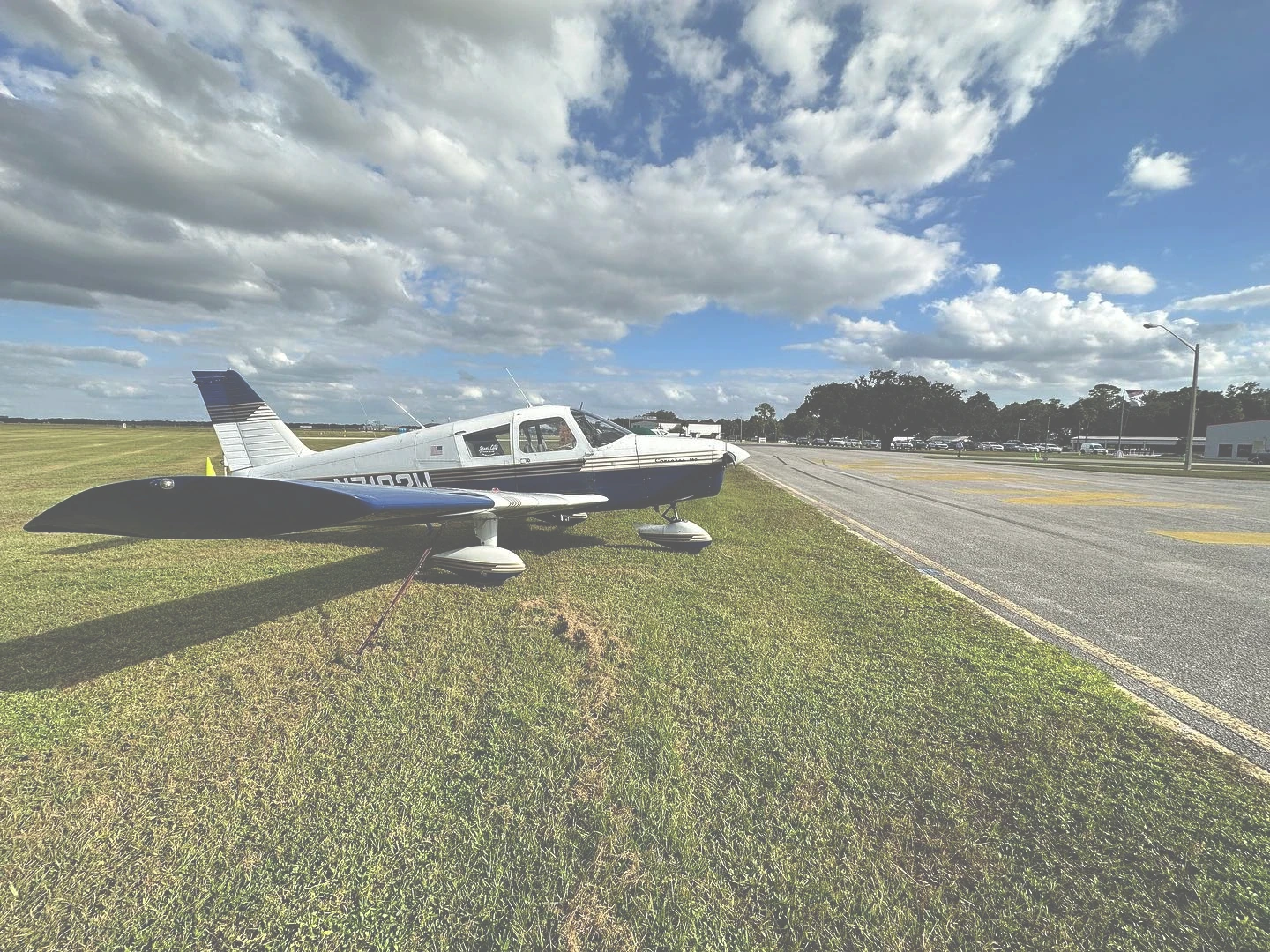
Most flight schools in Alabama use reliable, single-engine aircraft like the Cessna 172 for primary training. Many also offer multi-engine aircraft for advanced ratings.
Can I train for an airline career at a local flight school in Alabama?
Absolutely. Local flight schools provide the foundational Private, Instrument, and Commercial Pilot Certificates, along with Flight Instructor ratings, which are essential steps toward an airline career.
Ready to Learn to Fly in Alabama?
Your journey to becoming a pilot starts with a single step. If you’re looking for top-tier pilot training in Alabama, Blue Skies Above offers the expert instruction, modern fleet, and supportive community you need to succeed.
Contact Blue Skies Above today to learn more about our programs, meet our team, and discover why we are the ideal choice for your flight training needs.