How Airplanes Defy Gravity: The Magic of Lift

Published by:
Matthew Bourguignon
Published on:
Updated on:
Read time:
6 min read
Have you ever gazed up at an airplane soaring effortlessly through the sky, and wondered, “How does it stay up there?” It seems like magic, doesn’t it? But it’s not magic – it’s science! The secret to flight lies in a fundamental principle called lift. Let’s dive into the fascinating world of aerodynamics and unravel the mysteries of how airplanes conquer gravity.
Unveiling the Force of Lift
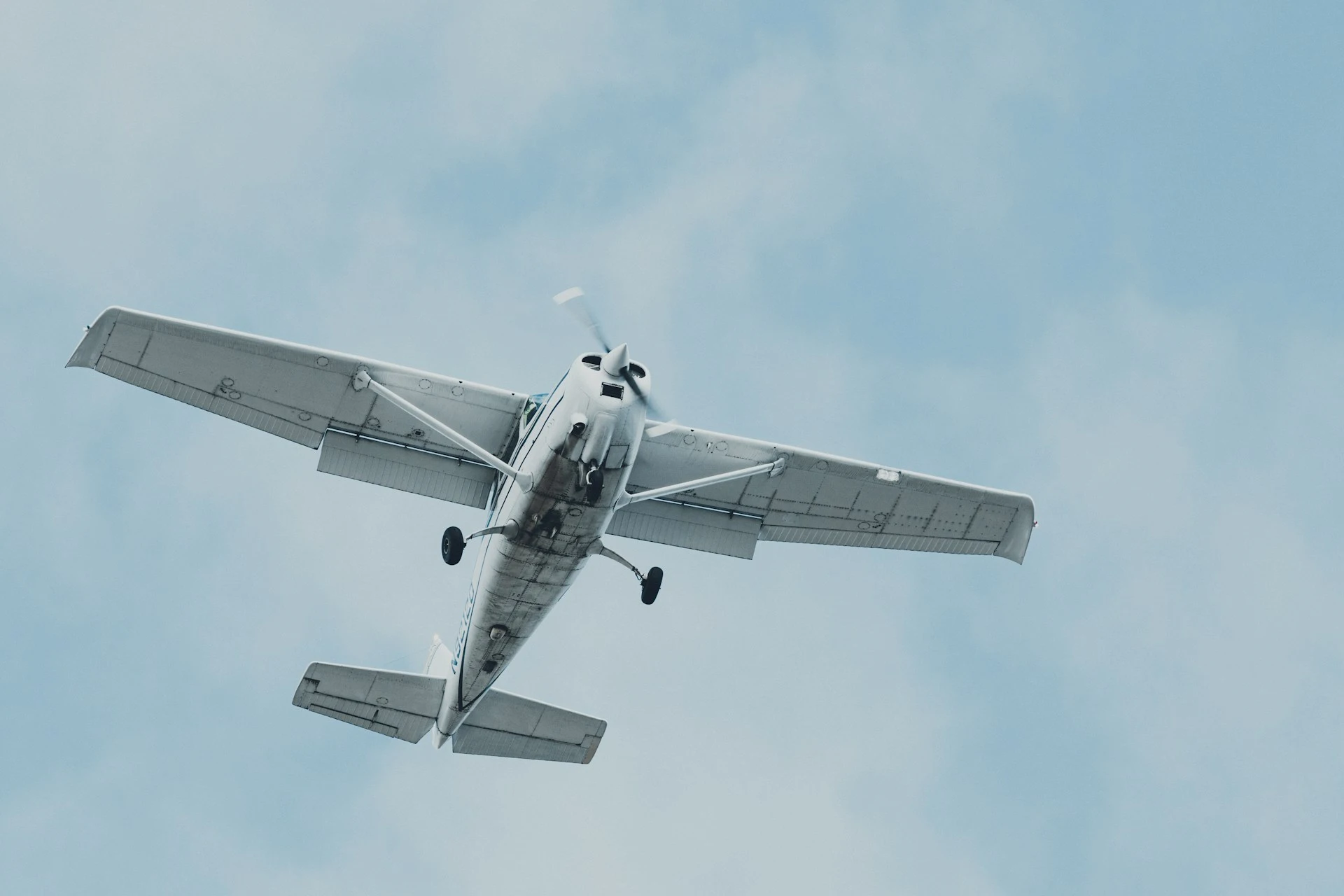
At its core, lift is the upward force that directly opposes an airplane’s weight. It’s what keeps those massive machines afloat. This incredible force is generated by the wings as they interact with the surrounding air. To understand how this happens, we need to explore the ingenious design of the wings and the principles of fluid dynamics.
The Wings’ Ingenious Design: A Shape That Creates Magic
The wings of an airplane aren’t just flat surfaces; they’re meticulously crafted to create a difference in air pressure above and below them. The top of the wing is elegantly curved, forcing the air to travel a longer distance, while the bottom is relatively flat, allowing air to flow more directly. As the airplane moves forward, air flows faster over the curved upper surface than beneath it.
Harnessing the Bernoulli Principle: Where Speed Meets Pressure
This difference in air velocity leads to a difference in air pressure, a phenomenon explained by the Bernoulli principle. As airspeed increases, air pressure decreases. Faster air on top of the wing means lower pressure, and slower air beneath means higher pressure. This pressure difference creates lift, pushing the wing , and the airplane , upward.
The Role of Angle of Attack: Pilot’s Control
Pilots can influence lift by adjusting the angle of attack , the angle between the wing and the oncoming airflow. Increasing this angle enhances lift by increasing the pressure difference. However, if the angle exceeds a critical point, it can cause a stall, where lift is suddenly lost and recovery is required.
Unlocking the Power of Flaps: Extra Lift When Needed
For takeoff and landing, pilots deploy flaps , movable surfaces on the wing’s trailing edge. Flaps increase wing surface area and alter shape, producing more lift at lower speeds. This makes landings and takeoffs smoother, slower, and safer.
The Marvel of Flight: A Symphony of Physics
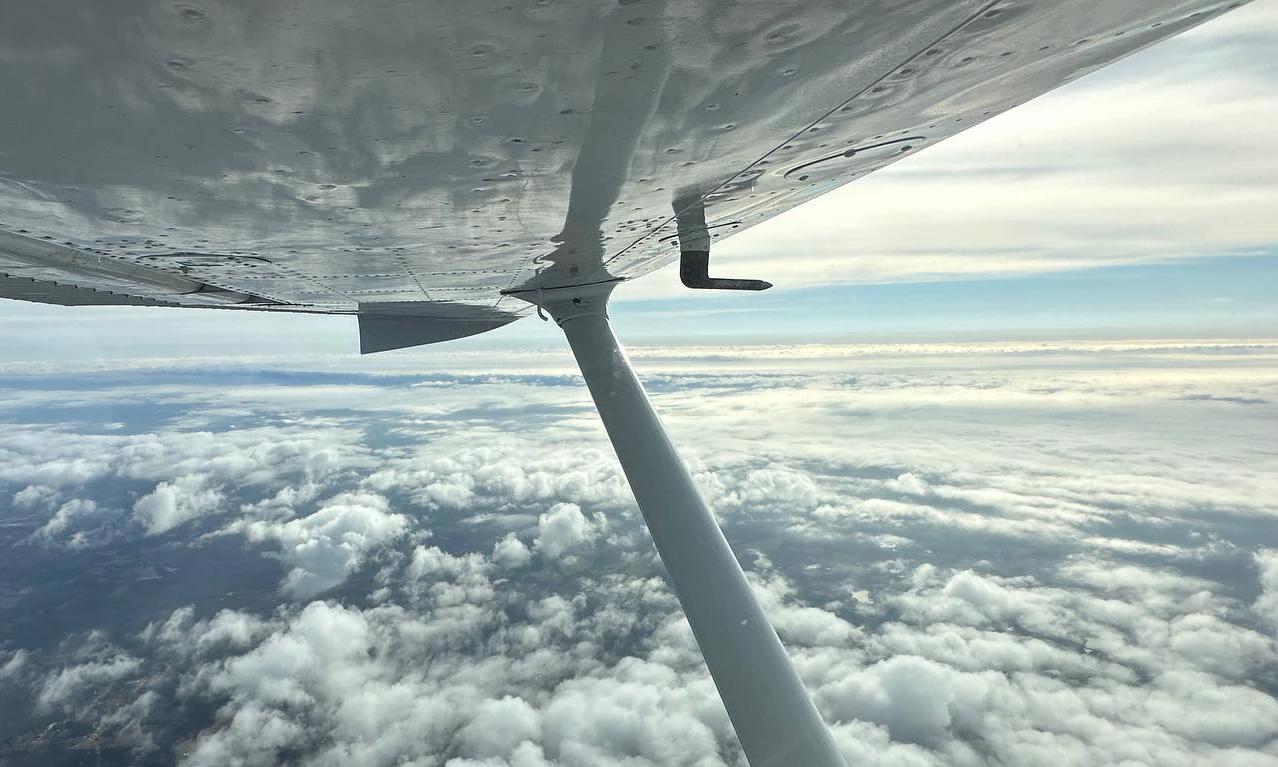
Lift is the unsung hero that allows airplanes to defy gravity. With clever wing design, the Bernoulli principle, angle of attack adjustments, and flap deployment, aircraft use fluid dynamics to stay airborne. Next time you’re flying, look out the window and watch the wings at work , there’s incredible science behind every second of flight.