How to Become an Airline Pilot in Auburn in 2026
Published by:
Matthew Bourguignon
Published on:
Updated on:
Read time:
6 min read
Your Airline Career Starts Here
Becoming an airline pilot is a dream for many in Auburn, Alabama. You might see jets flying overhead and wonder how to get into that seat. The path in 2026 is clear, but it requires the right strategy. You do not need a four-year degree to fly for major airlines. You need flight hours, certifications, and a training environment that prioritizes your progress. Located just 30 minutes from Auburn, Blue Skies Above offers a direct route to the cockpit. This guide breaks down exactly how to achieve your wings.
Step 1: The Private Pilot Certificate
Every journey begins with the basics. The Private Pilot Certificate (PPL) is your foundation. Here, you learn how to handle the aircraft, talk to air traffic control, and navigate the skies. Unlike busy university airports where you might wait on the tarmac, training at Lanett Municipal Airport allows you to spend more time in the air. Our efficient scheduling helps students progress up to 30% faster. You master the skills of flight in a distraction-free environment.
Step 2: Instrument Rating
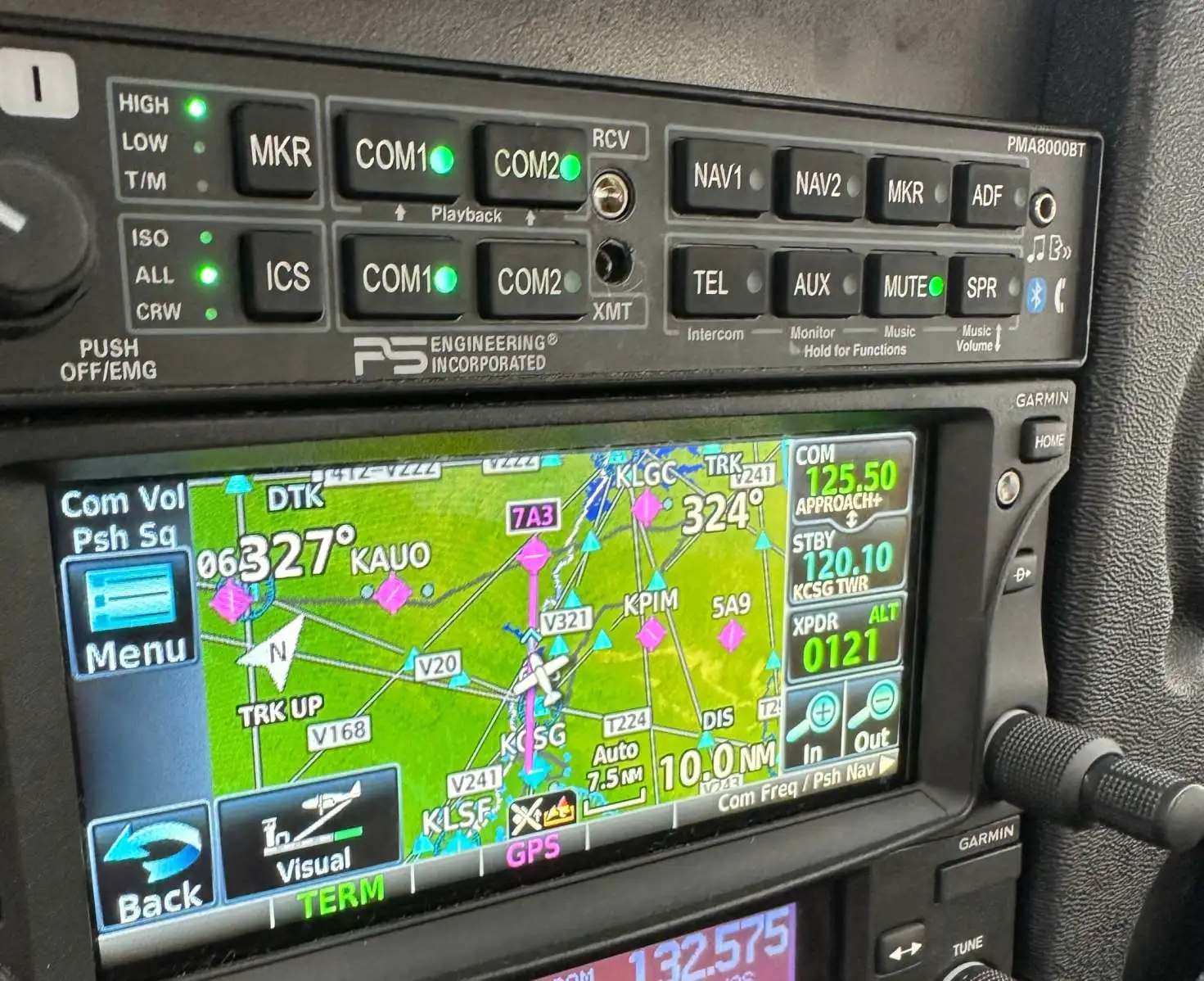
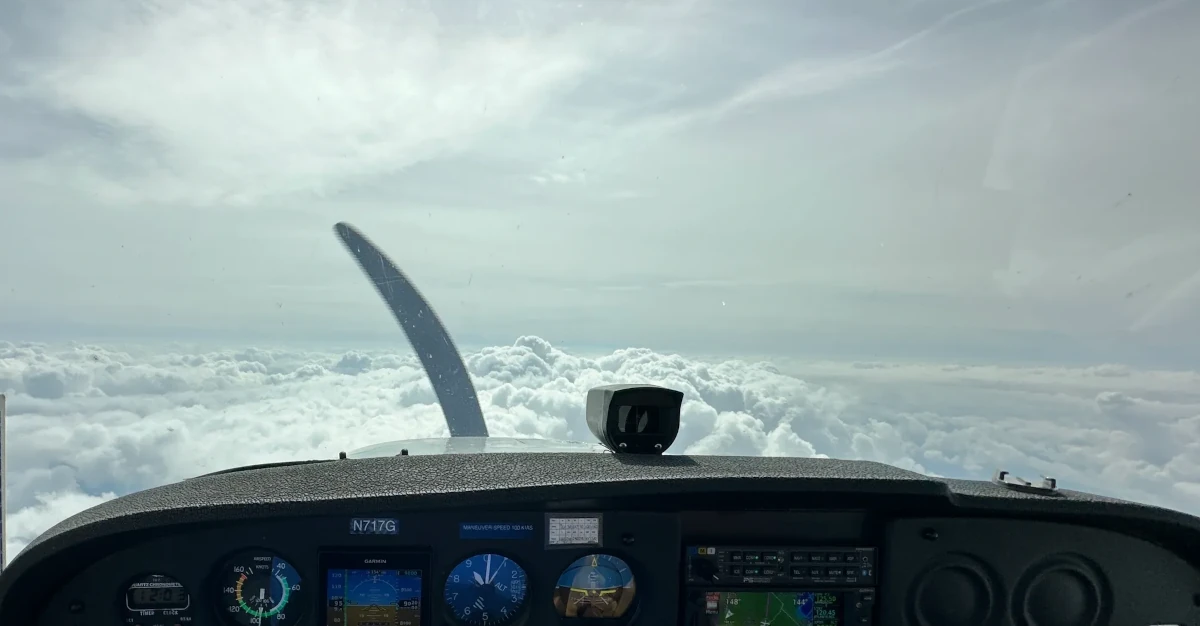
Once you can fly, you must learn to fly in any weather. The Instrument Rating (IR) teaches you to fly using only your cockpit instruments. This is a critical safety skill for any professional pilot. You will train in our Technically Advanced Aircraft (TAA), equipped with modern glass cockpits and GPS systems. This technology mirrors what you will eventually use in airline jets. Mastering these tools early gives you a significant advantage.
Step 3: Commercial Pilot Certificate
To get paid to fly, you need a Commercial Pilot Certificate (CPL). This stage demands precision and professionalism. You will refine your maneuvers and build the necessary 250 flight hours. Many students worry about the cost of reaching this level. University programs can cost upwards of $500,000. At Blue Skies Above, our Zero-to-Hero path is designed to get you there for under $100,000. You save money without sacrificing quality.
Step 4: Multi-Engine Rating
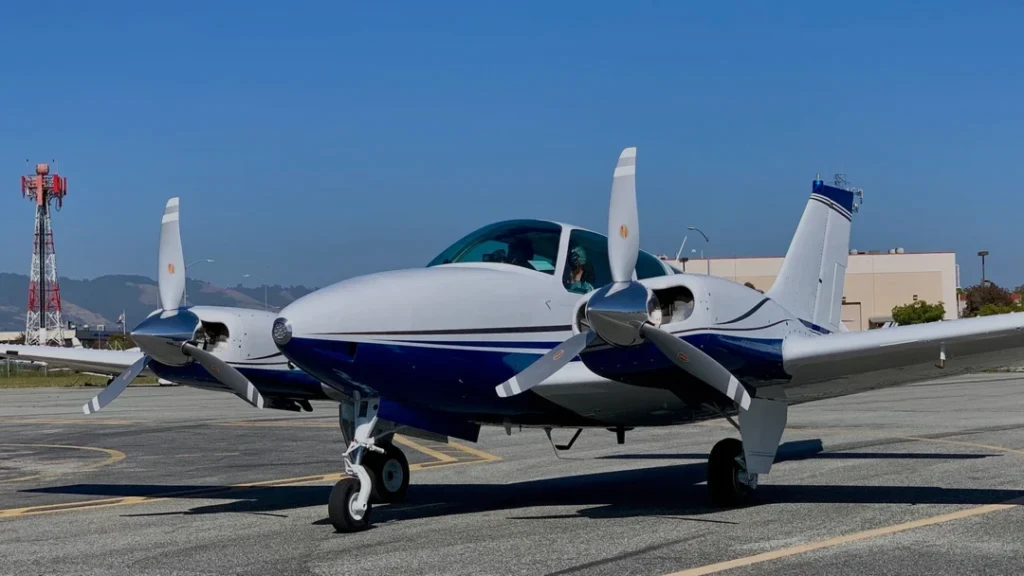
Airlines fly planes with more than one engine. To join them, you need a Multi-Engine Rating. This training teaches you to manage complex aircraft and handle emergency scenarios, such as an engine failure. It is fast-paced and intense. Earning this rating proves you have the technical skill to command powerful machines.
Step 5: Building Your Career
After earning your commercial wings, you need to build experience. Most pilots choose to become instructors. By earning your Certified Flight Instructor (CFI) and CFII ratings, you can work for a flight school. You log hours while getting paid. Our graduates have access to connections with SimpliFly, helping you secure that first job. It is the bridge between training and the airlines.
Why Train Near Auburn?
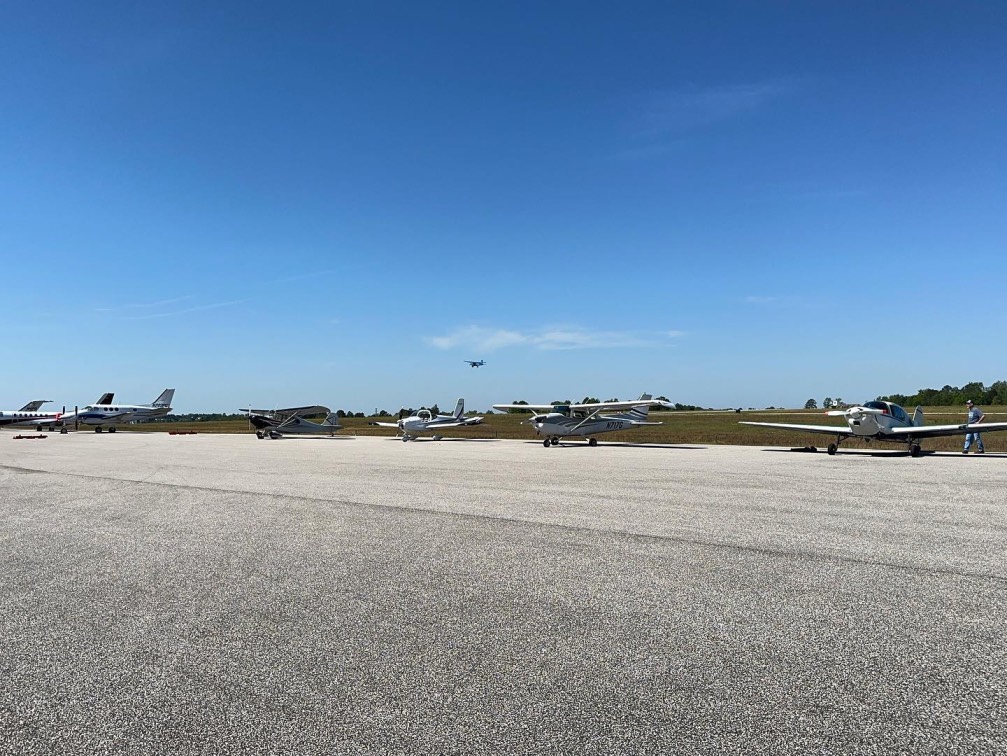
You have choices for flight training in East Alabama. However, choosing a school slightly outside the busy Auburn airspace offers distinct benefits. At Lanett Municipal Airport (7A3), there is minimal air traffic. You do not waste expensive engine time waiting for clearance. You take off, practice, and land efficiently. Our Part 61 structure offers flexibility that rigid university schedules cannot match. You fly on your terms, fitting training around your life.
Start Your Journey Today
The demand for pilots is real, and your timeline depends on where you train. Do not let high costs or crowded airports slow you down. If you are ready to take the controls, we are ready to guide you. Contact us today to schedule your discovery flight or explore our financing options to make your dream a reality.