How to Evaluate Aviation Schools: Fleet Quality, Instructor Availability, and Examiner Access

Published by:
Matthew Bourguignon
Published on:
Updated on:
Read time:
7 min read
Choosing where to learn to fly is one of the most consequential decisions of your aviation journey. Whether your goal is commanding commercial airliners, flying corporate jets, or taking your family on weekend cross-countries, the flight school you choose shapes your safety habits, your training timeline, and your total investment.
Yet for many prospective pilots visiting local airfields or browsing training websites, distinguishing between top-tier aviation schools and under-resourced flight clubs can be challenging. Glossy marketing materials rarely mention aircraft downtime, instructor turnover, or multi-month practical exam delays.
To help you make an informed choice, here is our insider checklist of essential evaluation criteria to review before enrolling in any flight training program, which you can also cross-reference with our comprehensive flight training guide and our aviation schools and pilot training FAQ.
1. Aircraft Fleet Reliability & Modern Avionics
The backbone of any flight school is its aircraft fleet. When evaluating aviation academies and local flight schools, you need to look beyond the total number of airplanes on the ramp and inspect how well those aircraft are maintained and equipped.
Key questions to ask during your school visit:
- What is the dispatch reliability rate? If a school frequently cancels lessons due to unscheduled maintenance, your training momentum stalls, leading to costly repetition.
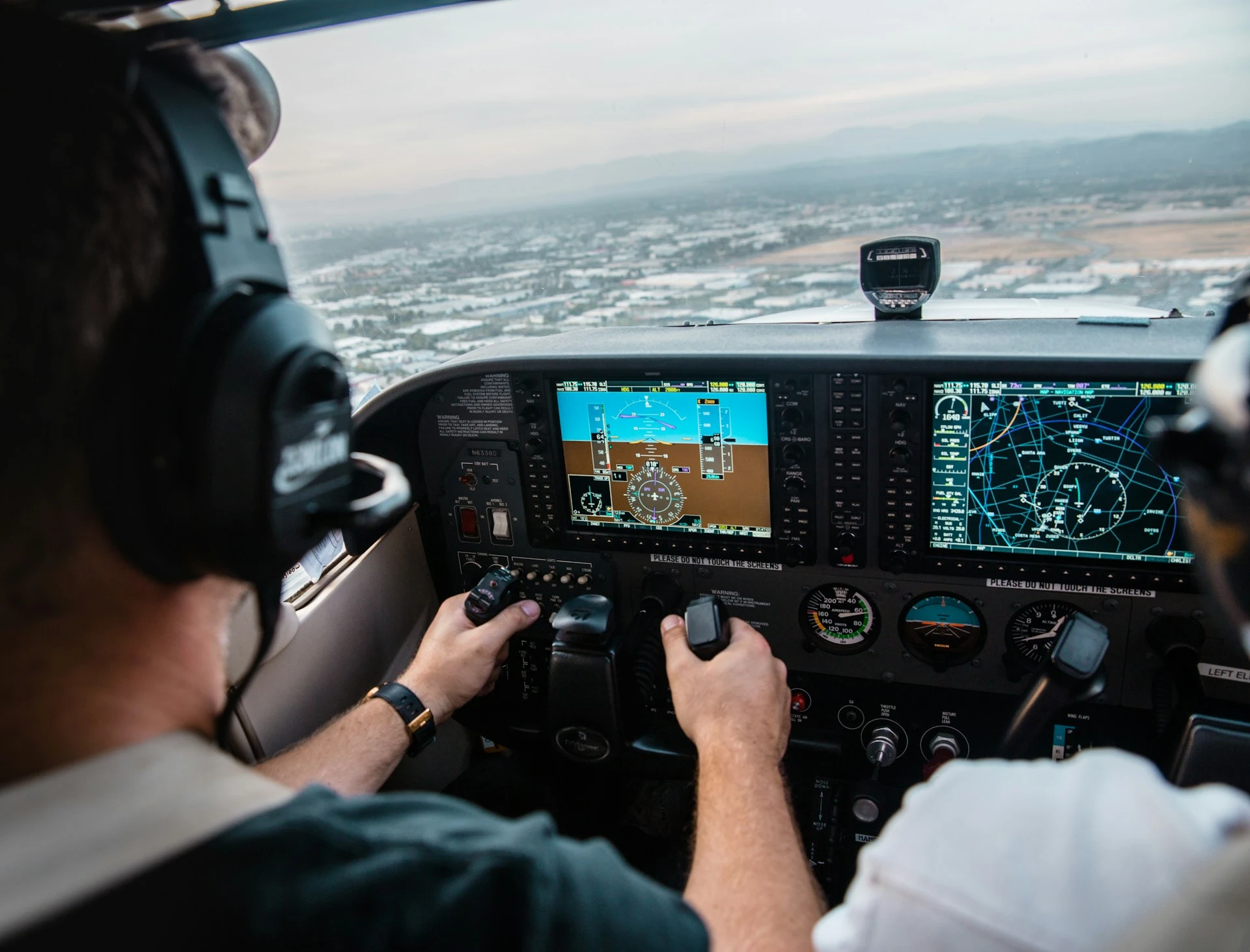
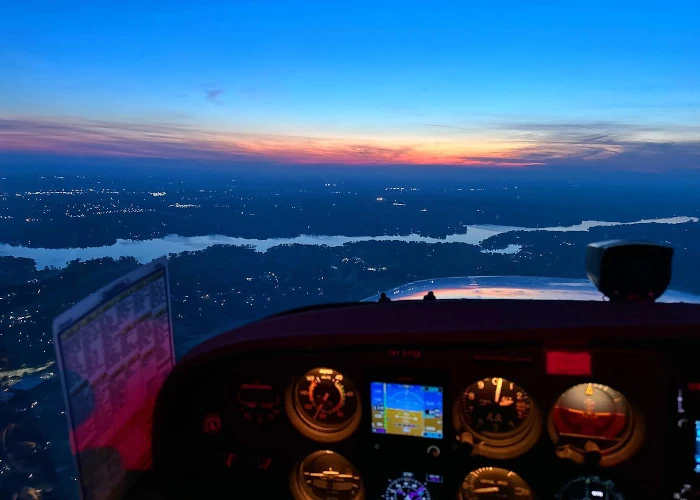
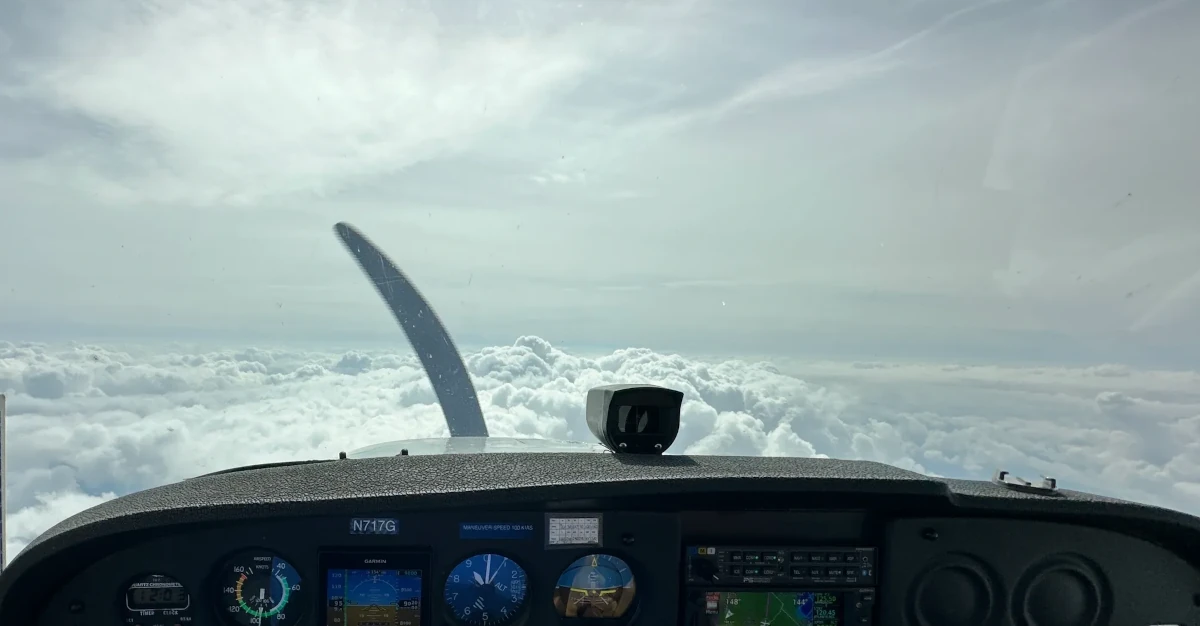
- What avionics are installed? Learning in aircraft equipped with modern Garmin glass cockpits (such as the Garmin G3X or dual Garmin G5 electronic flight instruments) builds situational awareness and directly mirrors the digital flight decks used by regional airlines and modern charter operators.
- Is dedicated in-house maintenance available? Flight schools with direct maintenance support turnaround 100-hour inspections and routine maintenance quickly, keeping planes in the air rather than grounded in a hangar.
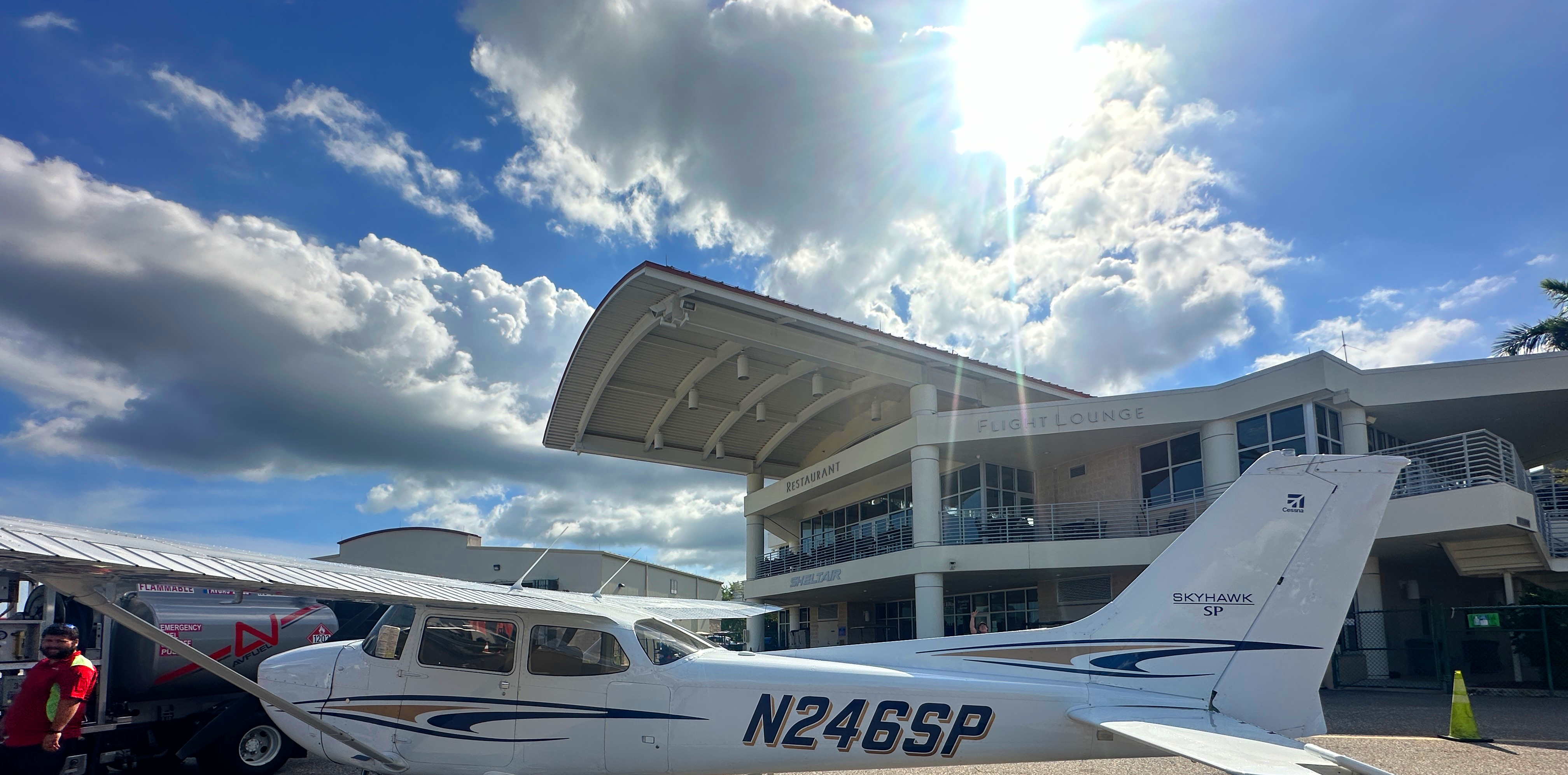
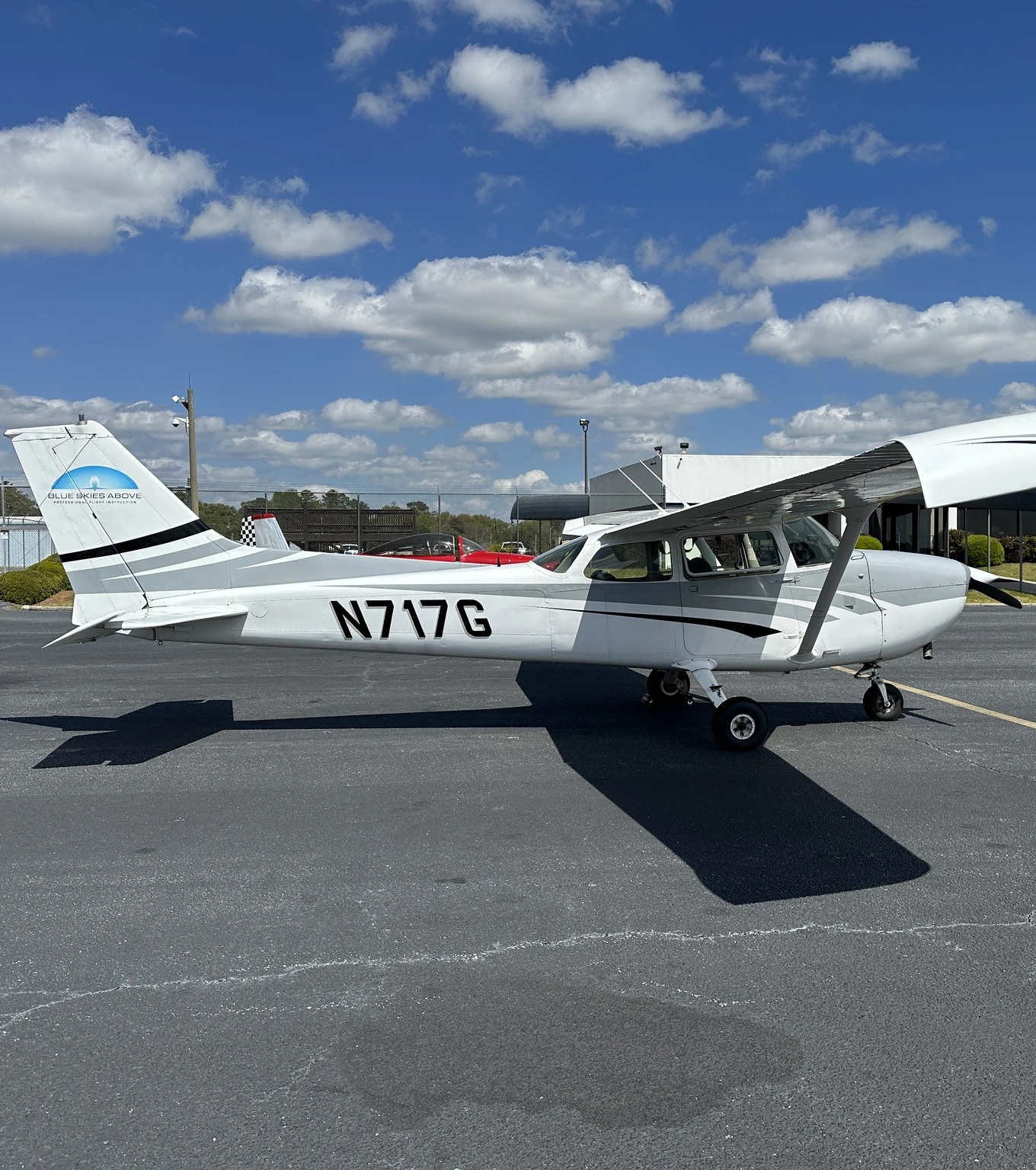
At Blue Skies Above, we maintain a dedicated fleet of meticulously serviced Cessna 172 aircraft outfitted with modern glass avionics, giving our student pilots dependable aircraft availability every day of the week.
2. Flight Instructor Availability and Student Ratios
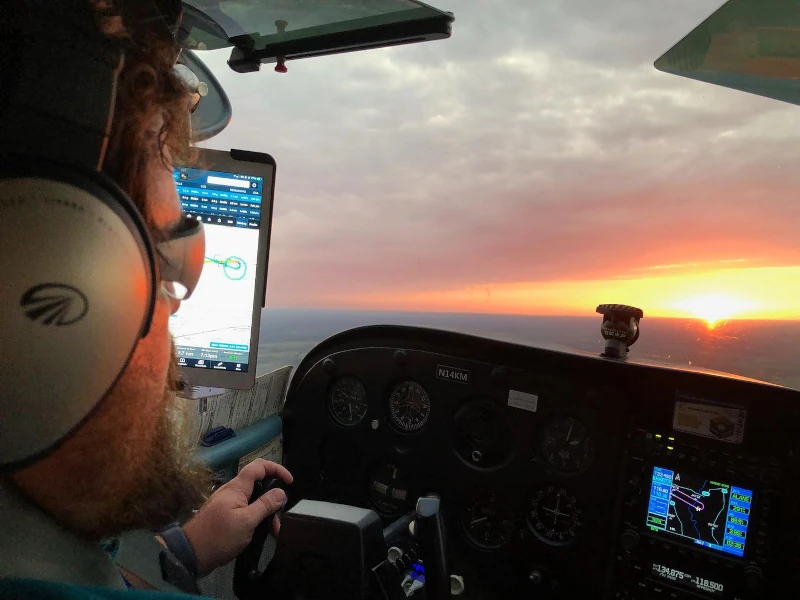
Your Certified Flight Instructor (CFI) serves as your primary mentor, coach, and safety officer. Even the best training syllabus falls flat if your instructor is overbooked with thirty students or plans to depart for an airline next week without notice.
When touring prospective pilot schools, pay close attention to:
- Instructor-to-Student Ratios: A healthy instructor load is typically 4 to 6 active students per full-time CFI. This ensures you can consistently book 2 to 3 flight slots per week, which is the optimal frequency for rapid skill retention.
- Instructor Experience & Teaching Culture: Are the CFIs dedicated educators focused on your individual mastery, or are they disengaged hours-builders? Look for an instructional team that conducts thorough pre-flight and post-flight briefings.
- Scheduling Continuity: Ask what happens if your primary instructor is sick or away. A well-run school has backup instructors familiar with your syllabus stage who can step in without missing a beat.
3. Examiner Access: The In-House DPE Advantage
One of the best-kept secrets in aviation is the national Designated Pilot Examiner (DPE) shortage. Across much of the country, student pilots who complete their training and receive instructor checkride endorsements face wait times of 6 to 12 weeks simply to get an FAA practical test scheduled.
During this waiting period, students must continue paying for proficiency flights to stay sharp. This checkride wait tax can easily add $1,500 to $3,000 to the total cost of a certificate.
One of the single greatest advantages you can find at an aviation school is access to an in-house Designated Pilot Examiner. At Blue Skies Above, having our own in-house DPE means our students schedule practical exams seamlessly as soon as they reach checkride readiness, eliminating costly downtime and preserving momentum.
4. Airport Environment: Airspace and Taxi Efficiency
Where you fly matters as much as what you fly. Training at large, busy Class C or Class D hub airports might sound prestigious, but it often translates to burning expensive aviation fuel while sitting in long taxiway departure queues.
Consider how the airport environment impacts your flight hours:
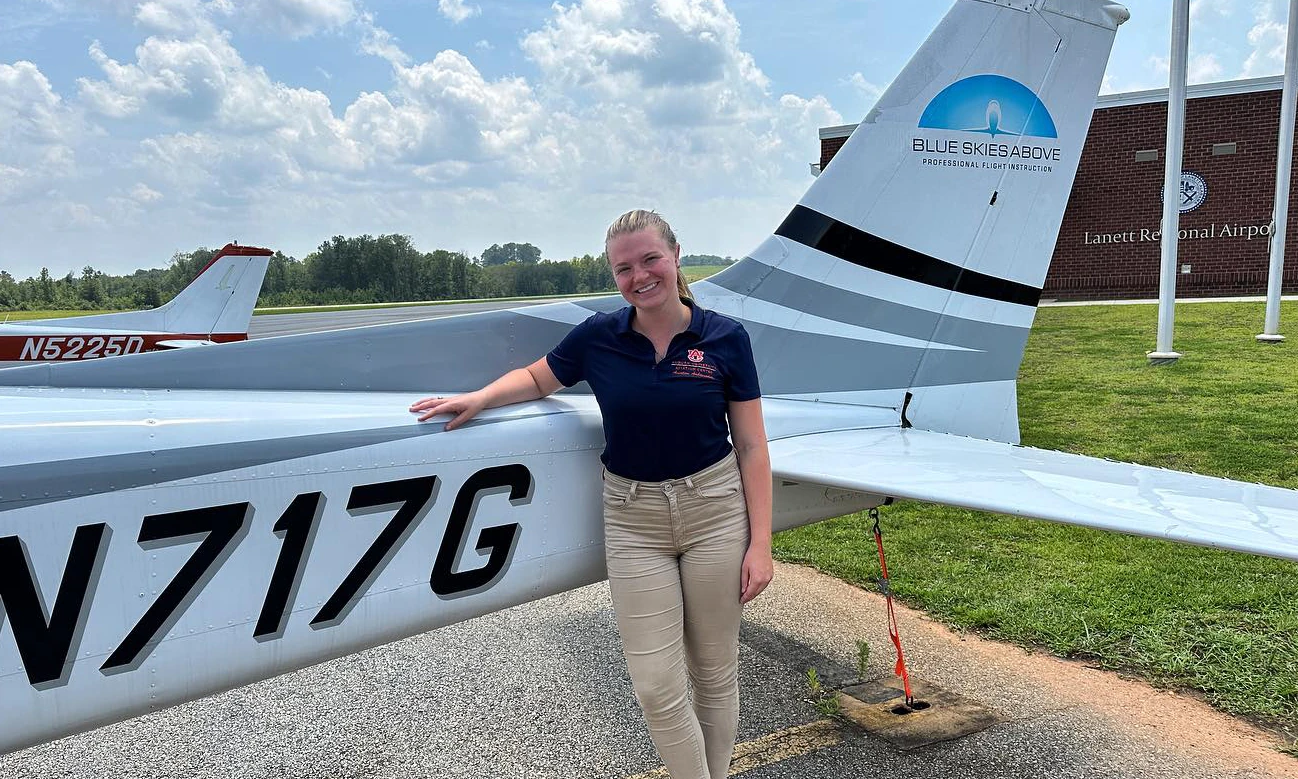
- Airspace Congestion: At uncongested regional fields like Lanett Regional Airport (7A3), you start your engine, complete your run-up, and depart directly into open practice airspace within minutes.
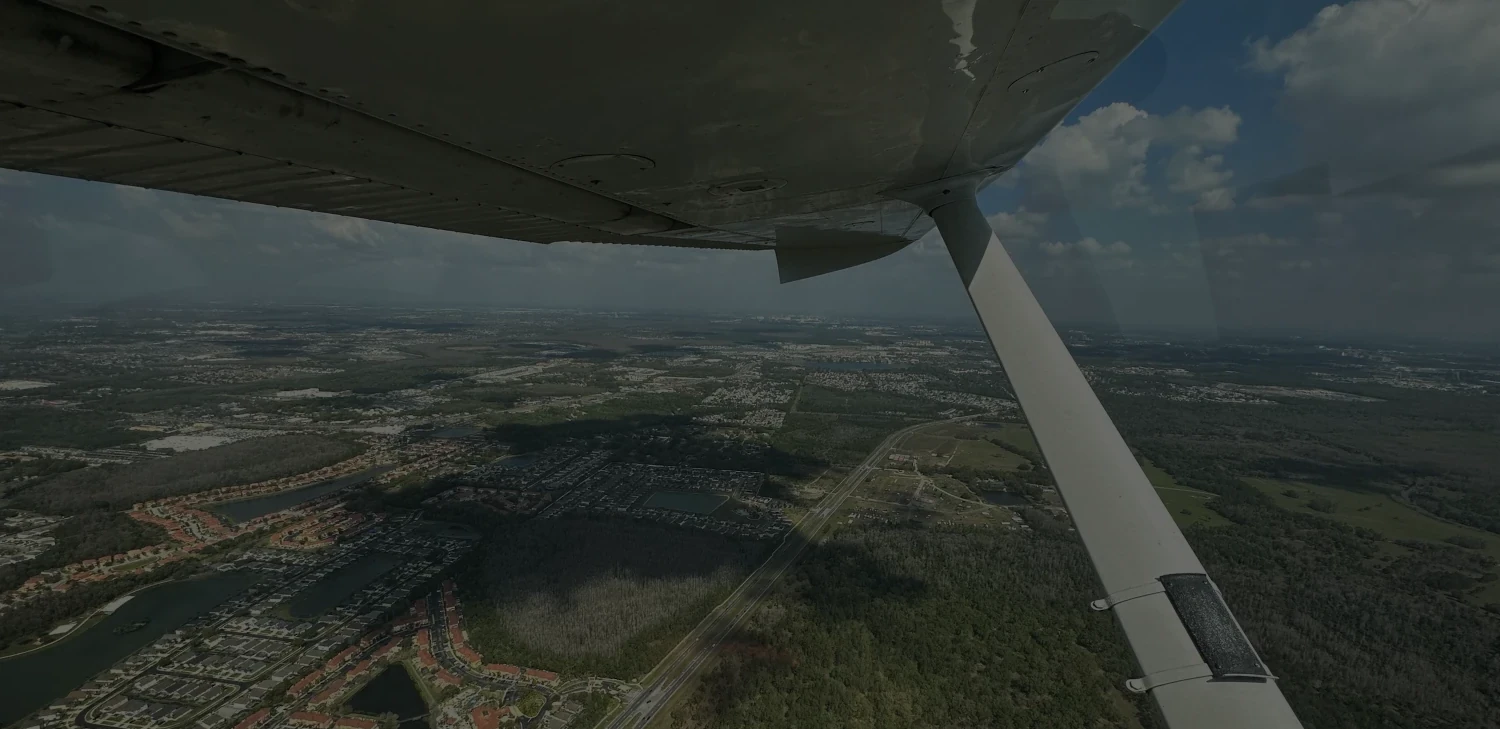
- Dedicated Training Airspace: Proximity to practice areas means you spend your lesson practicing stalls, steep turns, and emergency maneuvers, rather than commuting 20 minutes each way through dense airspace corridors.
- Cross-Country Proximity: Training near dynamic Southeastern airspace (including nearby Auburn, Columbus, and Atlanta air traffic corridors) provides rich air traffic control experience when you are ready, without complicating your initial solo flights.
5. Pricing Structure: Transparent Hourly vs. Huge Upfront Packages
A quality flight school will always provide clear, itemized pricing. Beware of institutions that demand $50,000+ non-refundable deposits upfront before you have logged a single hour in the cockpit.
Look for a pay-as-you-go hourly model where you pay only for the dual instruction and wet aircraft time (fuel included) you actually use. If you are seeking training loans, verify that the school works with reputable aviation lenders like Stratus Financial or Flight Training Finance to offer flexible payment schedules that align with your milestone pacing.
Take the Next Step Toward Your Pilot Certificate
No brochure or website can replace the clarity of stepping onto the flight line in person. Seeing the airplanes up close, discussing syllabus milestones with an instructor, and experiencing the airport environment will immediately tell you if a flight school is the right home for your aviation goals.
A hands-on introductory lesson allows you to inspect our Cessna fleet, meet our instructional team, and take the controls in flight alongside an FAA-certified instructor.
Ready to see what flight training feels like from the pilot’s seat? Book your hands-on Discovery Flight with Blue Skies Above at Lanett Regional Airport today.