How to Get Your Private Pilot License: A Step-by-Step Guide for 2026
Published by:
Matthew Bourguignon
Published on:
Updated on:
Read time:
7 min read
If you’ve ever dreamed of soaring through the clouds, the Private Pilot License (PPL) is your ticket to freedom in the skies. It’s the most common starting point for new pilots and the foundation for a lifetime of aviation adventures.
But how do you go from dreaming to doing? This guide breaks down the entire process into clear, manageable steps.
What Can You Do With a Private Pilot License?
Earning your PPL means you can act as Pilot in Command (PIC) of an aircraft and carry passengers for non-commercial purposes. You can fly for fun, personal travel, or charity. Imagine taking your friends and family on a weekend trip, seeing your city from a new perspective, or flying to a new destination for lunch. The PPL opens up a world of possibilities that are simply out of reach on the ground.
Your Step-by-Step Guide to Earning a PPL
While every student’s journey is unique, the path to becoming a private pilot follows a structured process. Here’s what you can expect at Blue Skies Above.
Step 1: Meet the Basic Requirements
Before you start, the FAA has a few prerequisites:
- Be at least 16 years old to fly solo and 17 to receive your license.
- Be able to read, speak, write, and understand English.
Step 2: Take a Discovery Flight
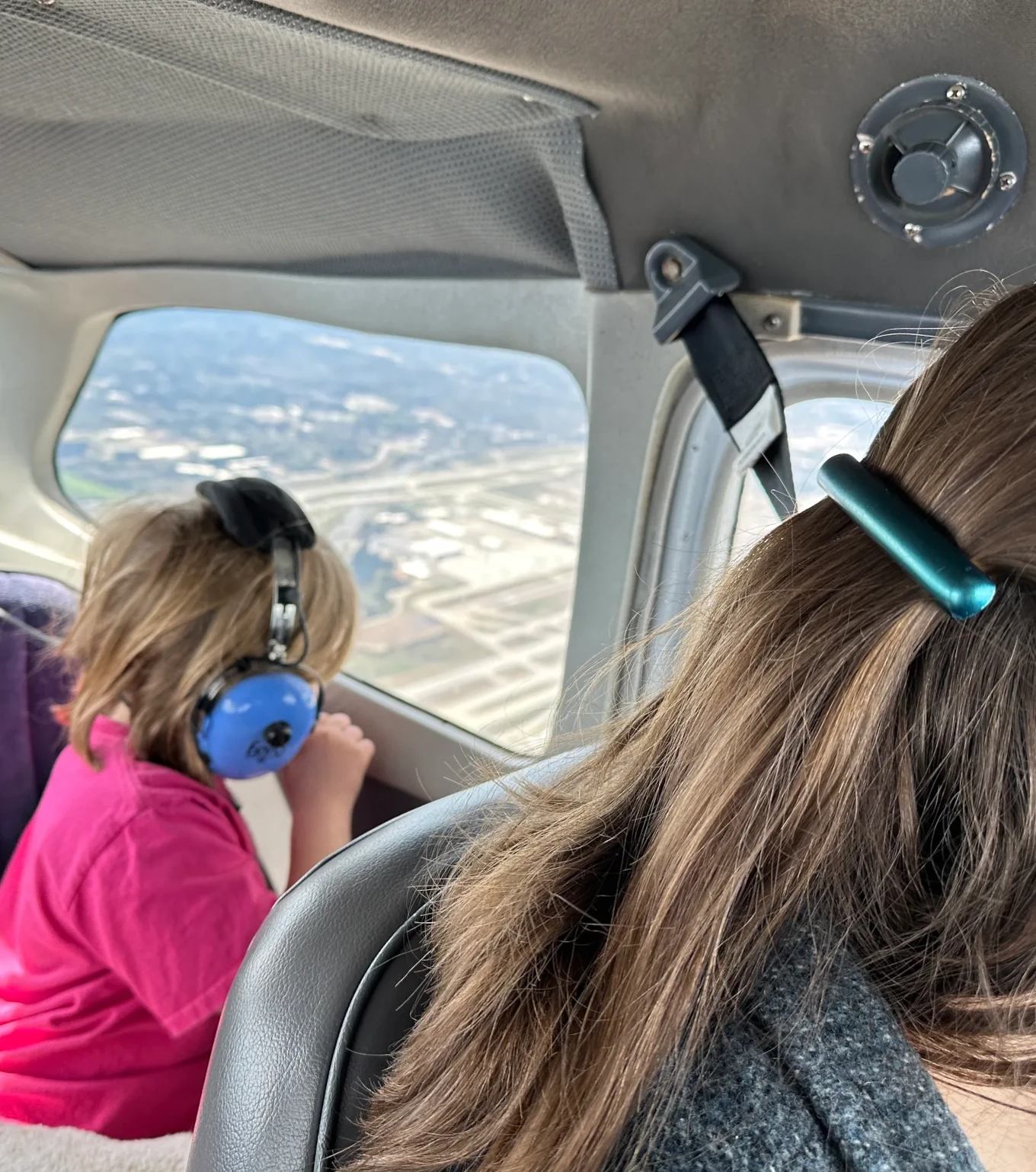
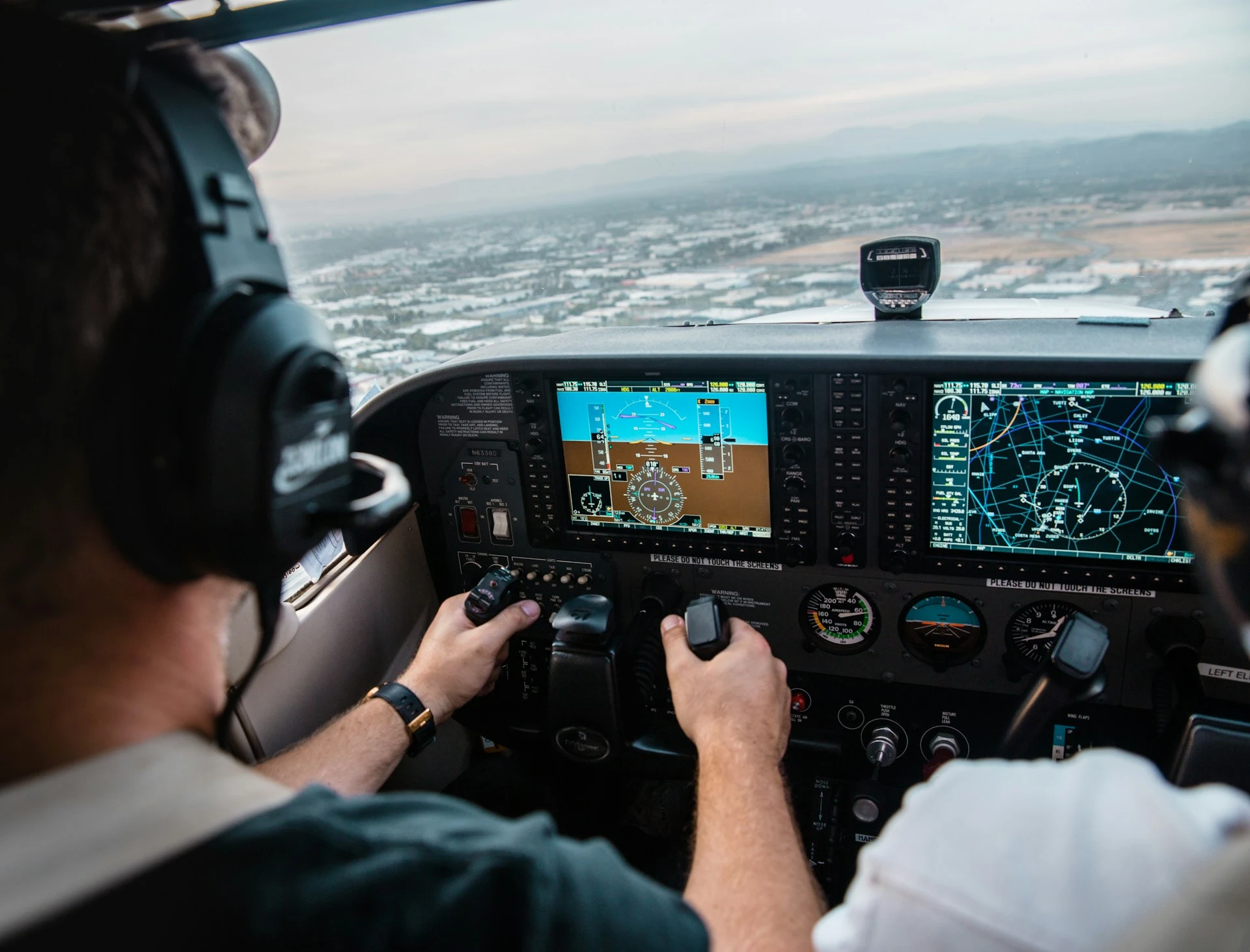
The best way to start is with a Discovery Flight. This is not just a tour; it’s your first flight lesson. You’ll sit in the pilot’s seat, take the controls, and experience the thrill of flying with a Certified Flight Instructor (CFI) by your side. It’s the perfect way to confirm that becoming a pilot is right for you.
Step 3: Get Your Student Pilot & Medical Certificates
Before you can fly solo, you’ll need two key documents. We’ll help you apply for your Student Pilot Certificate through the FAA’s system. You will also need to pass a medical exam with an authorized Aviation Medical Examiner (AME). It’s best to get this done early to ensure you meet the health requirements.
Step 4: Master Ground School & The Written Exam
A great pilot is always learning. Your ground school training covers the essential knowledge you need, including aerodynamics, FAA regulations, weather, and navigation. This prepares you for the FAA Private Pilot written exam, a computerized test you’ll need to pass before your final checkride.
Step 5: Take to the Skies in Flight Training
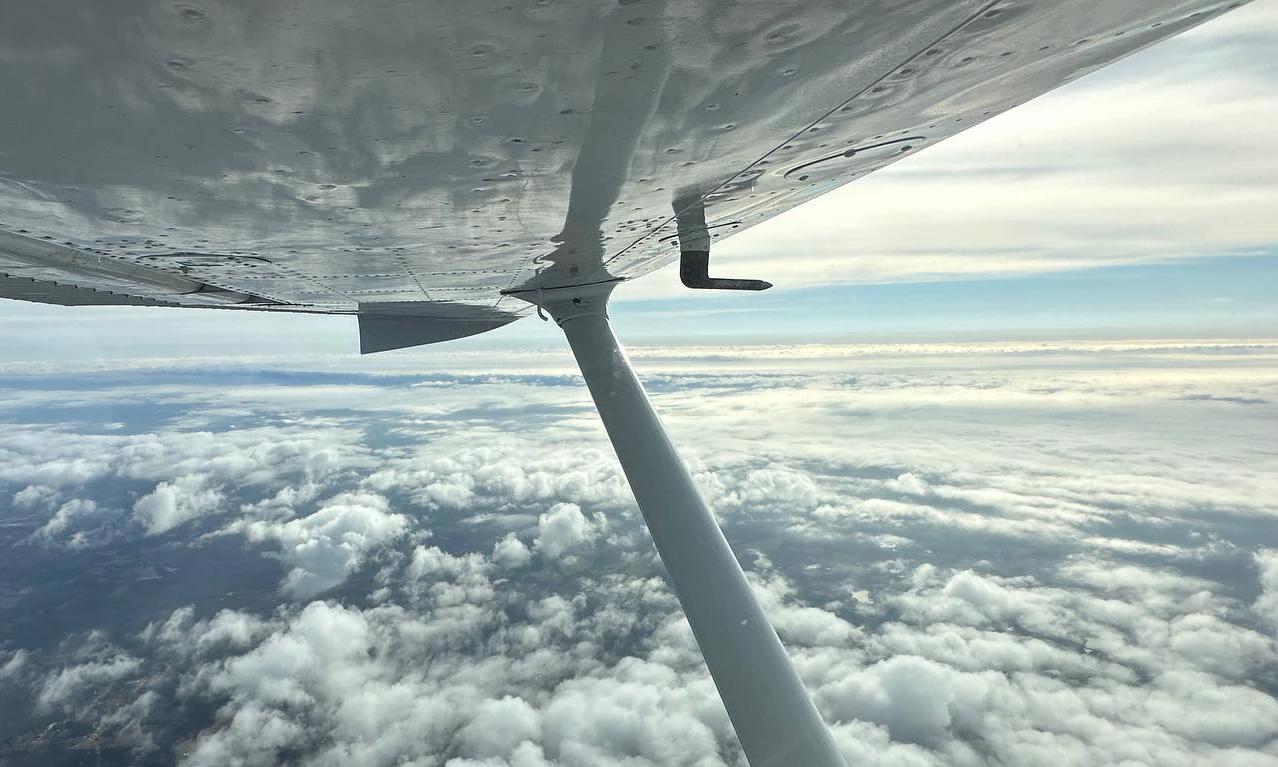
This is where the real fun begins. You’ll work one-on-one with your CFI, starting with basic maneuvers and progressing to takeoffs, landings, and emergency procedures. We recommend flying 2-3 times per week to build muscle memory and make steady progress. The culmination of this phase is your first solo flight, a milestone every pilot remembers forever.
Step 6: Pass Your Checkride
The final step is the practical exam with an FAA Designated Pilot Examiner (DPE). It consists of an oral exam to test your knowledge and a flight exam to demonstrate your skills. After you successfully complete your checkride, you will officially be a Private Pilot!
PPL Timeline & Cost: What to Expect
The two biggest questions students have are “How long will it take?” and “How much will it cost?”
- Timeline: While the FAA minimum is 40 hours of flight time, most students take between 50-70 hours. At a consistent pace of 2-3 lessons per week, you can realistically earn your PPL in 4-6 months.
- Cost: Our Private Pilot Full Program is $21,575 for a 65-hour syllabus, and our FAA-minimums package is $12,775 for a 40-hour syllabus. Your pace and aptitude decide how many hours you need. See our private pilot cost breakdown for what moves the total.
We believe flight training should be accessible. We offer flexible financing options to help you manage the investment in your aviation future.
Ready to Start Your Journey?
Earning your Private Pilot License is a challenging but incredibly rewarding experience that will change your life. It all begins with a single step.
If you’re ready to see what it’s like to take the controls, book a Discovery Flight at Blue Skies Above today. We’re here to help you turn your dream of flying into a reality.
Frequently Asked Questions (FAQ)
Q: Do I need any experience to start?
A: Absolutely not! Our Private Pilot Program is designed for beginners. Your journey starts with a Discovery Flight.
Q: How old do I have to be to start flight training?
A: You can start training at any age, but you must be 16 to fly solo and 17 to earn your PPL certificate.
Q: What’s the difference between a Part 61 and Part 141 flight school?
A: Blue Skies Above is a Part 61 school, which offers more flexibility in training schedules compared to the rigid structure of a Part 141 program. This is ideal for students who need to balance training with work, school, or family.
Q: Can I carry passengers right after I get my license?
A: Yes! Once you are a certified Private Pilot, you can share the joy of flying with friends and family.
Q: Is flying safe?
A: Safety is the cornerstone of all aviation. Our training program emphasizes risk management, proper decision-making, and adherence to proven safety protocols to make you a safe and competent pilot.