7 Hidden Costs of Private Pilot Training in 2026 (Checklist)
Published by:
Matthew Bourguignon
Published on:
Updated on:
Read time:
7 min read
You have a package price written at the top of a notebook page, and nothing under it yet. Most private pilot budgets start exactly there. The medical, the written test, the examiner, and a few extra hours all arrive later, one receipt at a time.
Seven costs sit outside the lesson hours you plan around, and you can list every one of them before your first lesson. This checklist walks through each one in the order you will meet it, so your budget follows your training and the sticker price is only the starting line. Our full private pilot cost breakdown covers the package prices themselves.
The seven costs in the order you will meet them
Your package price covers the flying side of training: aircraft rental hours, flight instruction, and ground instruction. The temporary fuel surcharge is included in your package price too. The FAA side of the process, and your own life around training, add the rest.
| Cost | When it shows up | What it helps you plan |
|---|---|---|
| 1. FAA medical exam | Before your first solo | An early budget line, set up before you invest heavily |
| 2. Study supplies and gear | From the first ground lesson | Charts, apps, and gear beyond your kit |
| 3. Hours beyond your package | Mid to late training | A cushion for extra practice |
| 4. FAA knowledge test fee | After ground training | A test fee separate from lessons |
| 5. Airplane time on test day | Practical test day | A flight that uses a real airplane |
| 6. Examiner fee and possible retest | Practical test day | The cost of the final exam |
| 7. Travel and time off work | Every lesson, plus test day | Your drive and your calendar |
Write these seven lines into your notebook now. Leave the amounts blank. Amounts change and depend on the provider, so you fill them in as you book each step. These costs attach to the four steps of our Private Pilot Certificate program: the medical exam, the written exam, the flight exam, and the lessons in between.
Costs 1 and 2: the medical exam and your study supplies
Cost 1 is the FAA medical exam. Most airplane students need a medical certificate before they solo. A third-class medical is the level that covers a student pilot. An Aviation Medical Examiner, or AME, gives the exam, and the exam has its own cost separate from your lessons.
Get it early. A medical before heavy spending means you learn about any eligibility question while your investment is still small. Your AME is the right person for any medical question. You do not need a medical certificate to take your first lessons, so a Discovery Flight is a good way to start while you plan the exam. Our post on how to get your private pilot license shows where the medical sits in the full sequence.
Cost 2 is study supplies and gear. Our Full Program includes a ground school kit, and we provide a headset at no charge. Beyond the kit, plan for charts, study apps, subscriptions, and small supplies that you pick up as you go. These are modest line items one at a time, and they add up over months of study. A short list in your notebook keeps them from slipping past you. Our guide to making the most of your ground lessons shows how to study with what you already have.
Cost 3: the hours past your package
This is the cost that moves your total the most, so it gets its own section. Our Full Program is built on 65 hours because that is a realistic average. The FAA puts the national average at around 75 hours. If your training runs to the FAA average, you would be 10 hours past what our Full Program is built on.
Every hour past your package is billed for the time you fly. We have no minimum billing, so you never pay for hours you do not use. The flip side is that extra hours are real hours, with the airplane and your instructor both on the clock. You can compare the package hours side by side on our pricing page, and you can contact us for the current hourly rates.
Fly two to three times a week, which is what we recommend, because long gaps mean review time that you pay for. Arrive prepared too, so your instructor spends the hour on new material. Our post on your first 30 days of private pilot training shows what that rhythm looks like.

Costs 4, 5, and 6: the knowledge test, test-day airplane time, and the examiner
Cost 4 is the FAA knowledge test fee. The knowledge test is the written exam you take after ground training. It carries its own test fee, separate from your lessons. Our post on the written exam and how to pass it explains what the test covers.
Cost 5 is airplane time on test day. The practical test, often called the checkride, has an oral part and a flight part. You are expected to bring an airworthy airplane to it, so the flight portion uses real airplane time.
Cost 6 is the examiner fee and a possible retest. A Designated Pilot Examiner, or DPE, is an FAA-appointed examiner who gives your practical test. The examiner charges a fee for the test, and that fee is separate from your package. If any part of a test needs a second attempt, a retest can carry its own cost, so many students keep a small cushion for that line. DPE availability varies by location and by scheduling demand, so we recommend booking early. Our Part 61 versus Part 141 guide covers how the testing sequence works in a Part 61 school like ours.
Cost 7: the drive to Lanett and time away from work
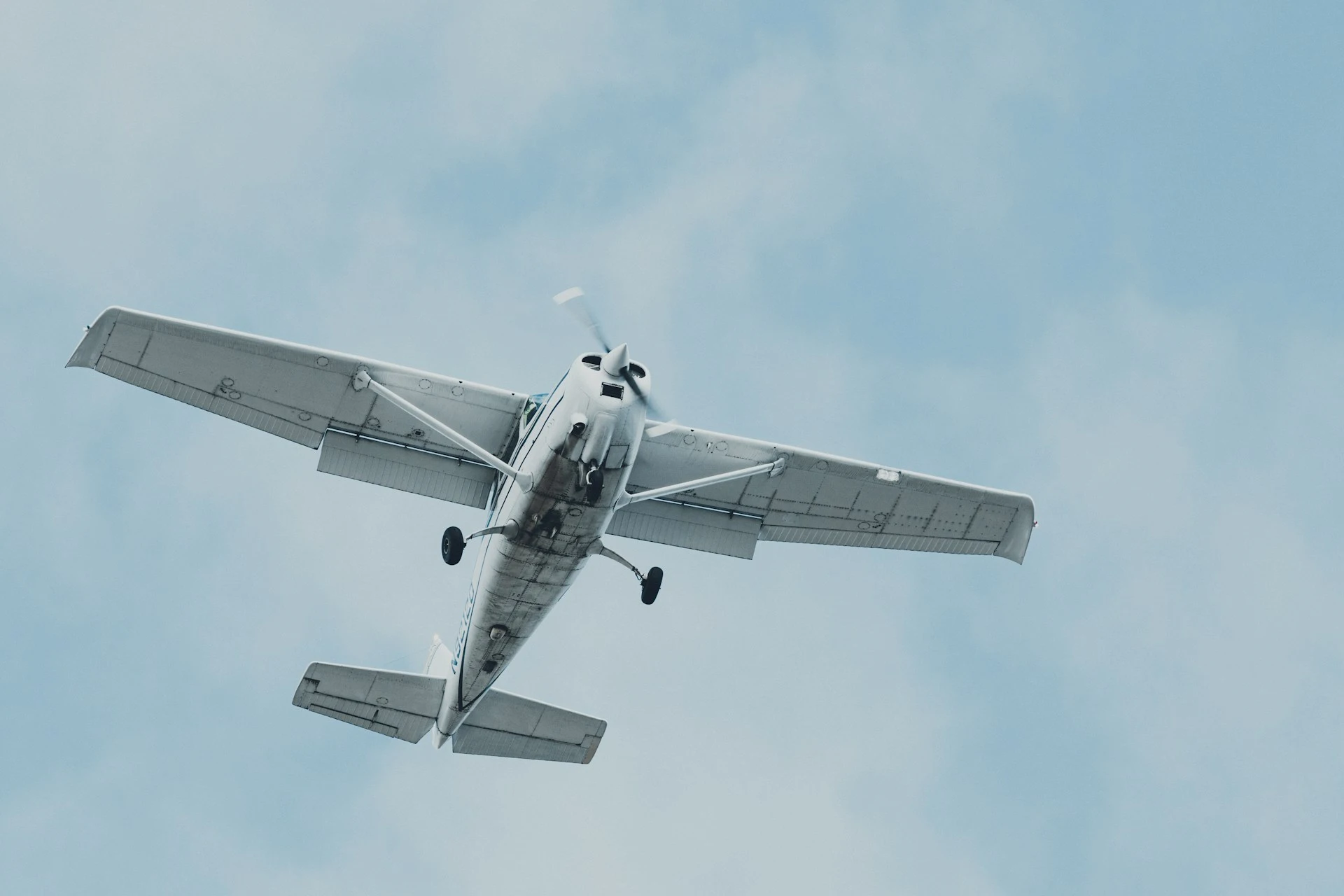
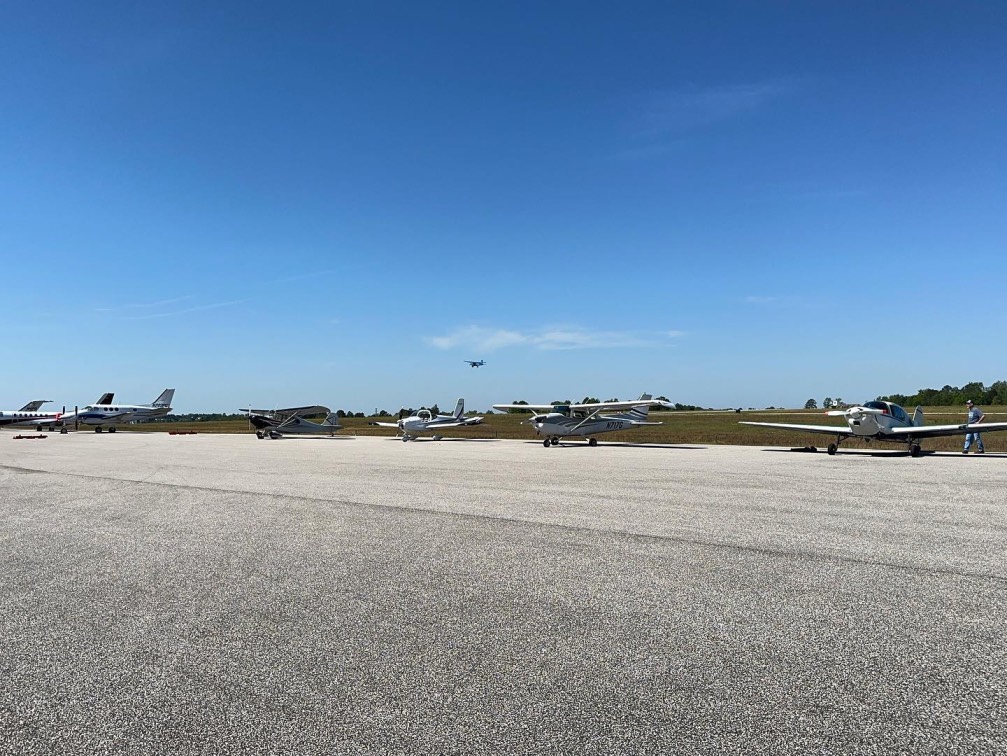
Students come to Lanett Municipal Airport from Auburn, Opelika, Columbus and LaGrange, and the drive repeats with every lesson. At three lessons a week, those trips add up.
If you work, plan time off work around the practical test. If you are weighing your schedule against your budget, our post on why local flight training can be your best bet shows how a nearby airport shortens that drive.
How to turn this checklist into a budget you trust
Start with your package price, then add one line for each of the seven costs. Fill in the amounts as you confirm them, and keep the list where you can see it. A budget that grows step by step is easier to live with than one that surprises you in month three.
Then look at your cash flow, not only your total. The costs above arrive at different times: the medical early, the tests late, extra hours whenever your training needs them. Financing options may be available to qualified applicants through Stratus Financial and Flight Training Finance, and you can compare both on our financing page. A steady lesson schedule is what keeps your total down, so plan for a budget that lets you keep flying. Our guide to financing flight school goes deeper on funding.
Frequently asked questions about private pilot training costs
- What costs extra beyond private pilot training packages? Plan for the FAA medical exam, study supplies, any hours past your package, the FAA knowledge test fee, airplane time on test day, the examiner’s fee, and your own travel and time off. You can compare what each package covers on our pricing page.
- Does the package price cover everything I need to become a pilot? Your package covers aircraft rental hours, flight instruction, and ground instruction, plus the temporary fuel surcharge. The FAA steps and your own supplies sit outside those hours, and we will lay them out next to your package when you contact us.
- When do I need the FAA medical? Most airplane students need a medical certificate before they solo. We suggest getting it early, and your AME can answer any eligibility question.
- How many hours will I actually fly? The FAA minimum is 40 hours and the national average is around 75. We built our Full Program on 65 hours. Your pace, schedule, and weather set your own number, and our private pilot program is built around steady lessons.
- Do I pay for hours I do not fly? No. We have no minimum billing, so you pay for the time you fly.
- Can I finance flight training? Financing options may be available to qualified applicants through Stratus Financial and Flight Training Finance. Visit our financing page to start.
Get your current estimate before lesson one
The best budget is the one you build with your own schedule in front of you. Contact us and we will lay out a current estimate for your path, with the seven costs above next to your package, so nothing surprises you later.