How to Finance Flight School in 2026: Easy Payoff Guide
Published by:
Matthew Bourguignon
Published on:
Updated on:
Read time:
6 min read
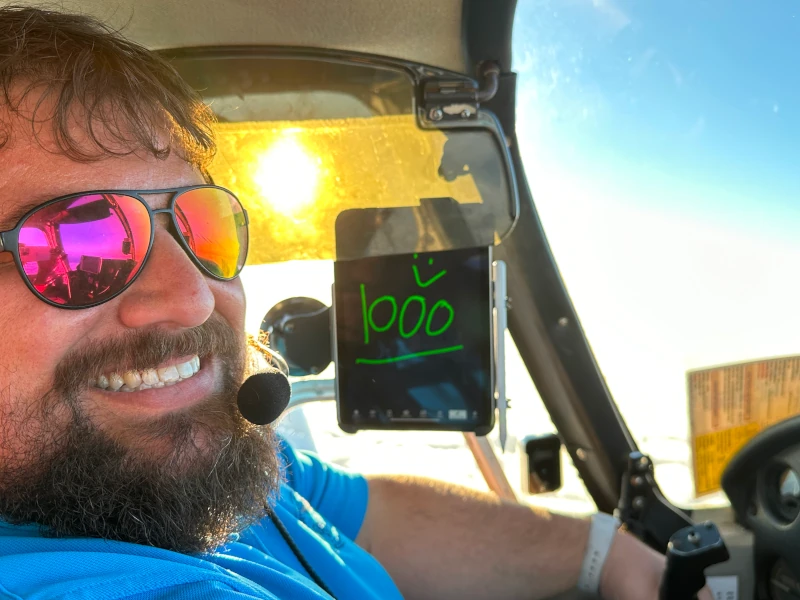
Sitting in the cockpit of a trainer aircraft, going through your preflight checklists, the excitement of taking off is often accompanied by a quieter, more persistent anxiety. For many aspiring pilots, the biggest hurdle in aviation isn’t mastering cross-country navigation or managing radio communications—it’s managing the financial commitment of flight training.
High upfront costs and the pay-as-you-go financial strain frequently cause student pilots to pause their lessons. These interruptions lead to learning plateaus, checkride delays, and ultimately increase the total cost of earning a certificate. Financing your flight training removes this friction by allowing you to keep a consistent training schedule, which is the single most critical factor for completing your ratings efficiently. By securing structured funding, you can focus on the controls instead of the bills. Let’s look at how partnering with specialized aviation lenders can get you from your first discovery flight to a professional cockpit without interruption.
Why Consistent Training Paces Save You Money
Why does a consistent flight schedule matter to your wallet? When you fly three to four times per week, you build muscle memory and retain procedures much faster than flying once a week or taking long breaks. Every time you pause training because of budget limits, you spend the first half of your next lesson reviewing old maneuvers.
By financing your flight training, you ensure your training block remains fully funded. This allows you to fly regularly and progress through your Private Pilot License (PPL) or Instrument Rating (IFR) requirements efficiently. Over time, maintaining a consistent training pace can save you thousands of dollars by reducing the total hours required to pass your FAA practical test.

Navigating Your Flight Training Financing Options
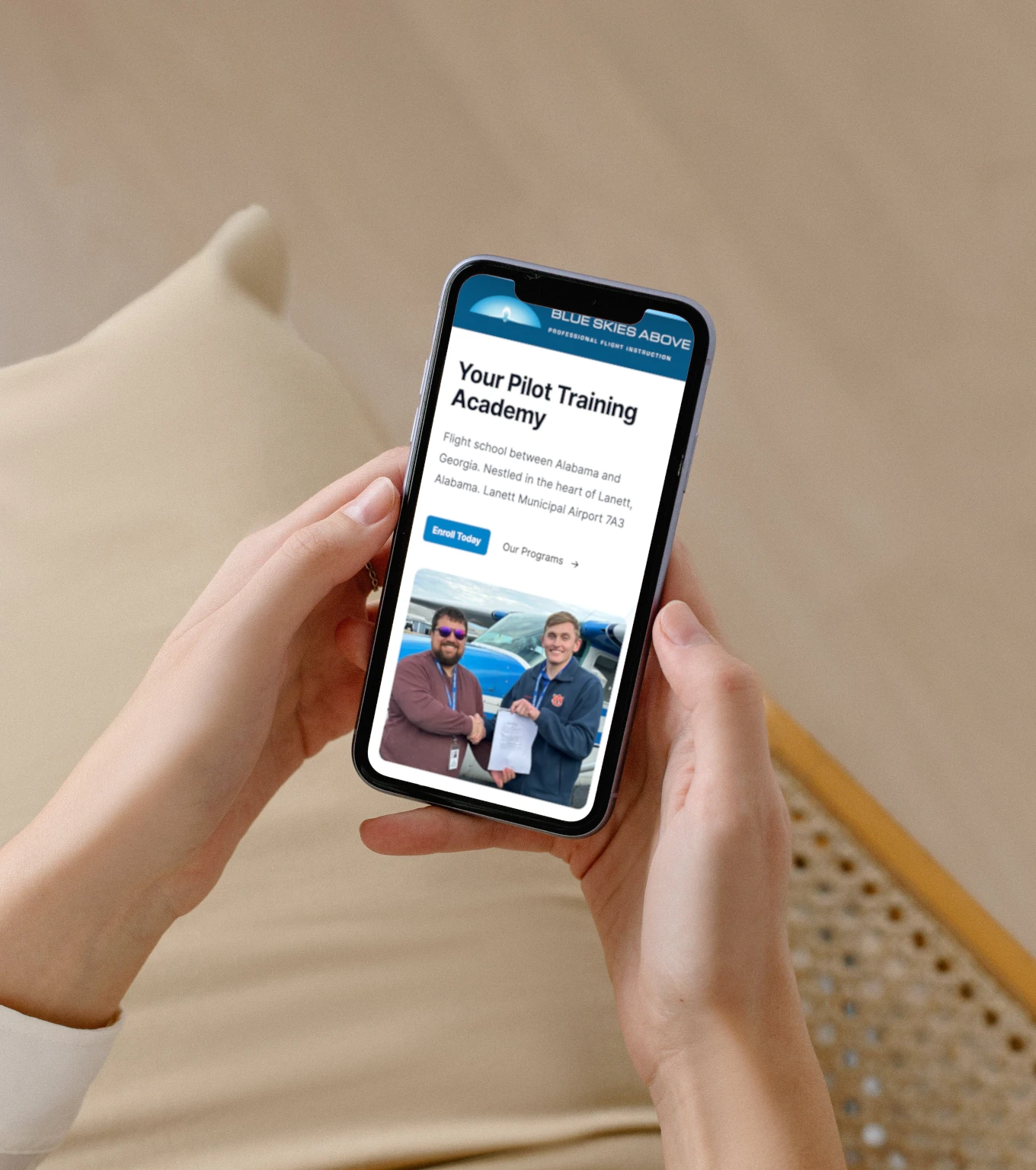
How do flight training loans work? At Blue Skies Above, we partner with premier lenders like Stratus Financial and Flight Training Finance to offer flexible programs. Rather than requiring you to pay for your entire training program upfront, these loans let you fund your ratings in manageable monthly payments.
The table below outlines how financing helps keep your progression moving forward through each critical career milestone:
| Program Name | Typical Certification Path | How Financing Supports Your Next Step |
|---|---|---|
| Private Pilot License (PPL) | Foundational maneuvers, solo flight, basic cross-country navigation | Secures your starter training blocks to build strong piloting habits without interruptions. |
| Instrument Rating (IFR) | Navigating solely by instruments, flying in clouds, handling IMC | Funds intensive simulator and flight blocks required to master precision instrument procedures. |
| Commercial Pilot License (CPL) | Time building, advanced maneuvers, commercial operations | Finances the required cross-country and time-building hours to reach the 250-hour mark faster. |
| Certified Flight Instructor (CFI) | Instructional techniques, spin endorsement, lesson planning | Funds your final instructor rating, aligning your checkride with a local hiring opportunity. |
Financing options are available to qualified applicants, giving you a structured path to manage the investment of professional training.
How Stratus Financial Deferment Works for Aspiring Career Pilots
If you are enrolled in our Professional Flight Program, managing monthly payments while training full-time can feel overwhelming. Stratus Financial loans address this specific friction by offering flexible repayment structures, including a 12-month payment deferment option for qualified applicants.
With this structure, you do not need to worry about principal-and-interest payments during your first year of training. Instead, you can dedicate all your energy to completing your ratings, mastering ground lessons, and building hours. This deferment aligns your repayment schedule with your actual earning potential, ensuring you don’t face large bills until you have transitioned into a paying pilot role.
Your Payoff Strategy: From CFI to Airline Career
How do you pay off a flight school loan without placing yourself in a high-risk financial position? The most reliable strategy is to leverage your certificates to build paid hours. Once you earn your Commercial Pilot Certificate and add a Certified Flight Instructor (CFI) rating, you can transition from paying for hours to earning an income as an instructor.
Instructing at a local flight school allows you to earn a steady income while building the flight hours required for regional airlines. As you progress from a flight instructor role to a regional airline first officer, your salary increases, making it much easier to execute a loan payoff strategy. By using your career milestones to drive your repayment plan, you can manage the debt responsibly while protecting your long-term aviation goals.
Frequently Asked Questions About Flight School Financing
- How do I qualify for a Stratus Financial loan? Qualifications are based on credit history, training history, and the presence of a co-signer when required. You can complete a quick application on the Stratus Financial platform to view your rates and options.
- What training costs can be funded through financing? Loans can cover aircraft rental, flight instructor hours, ground school materials, FAA written exam fees, headset and pilot supplies, and Designated Pilot Examiner (DPE) checkride fees.
- Can I pay off my flight training loan early? Yes. Stratus Financial loans do not carry prepayment penalties, which means you can accelerate your loan payoff strategy as soon as you start earning an income as a CFI or regional airline pilot.
- How does the 12-month deferment help career-track students? It removes the pressure of making monthly payments while you are training. This keeps your training pace fast and consistent, reducing the overall time and cost required to become a commercial pilot.
- Are there other financing partners available? Yes, we also partner with Flight Training Finance to offer flexible pay-as-you-go funding options. You can review all these resources on our Financing Page.
- How much does it cost to get a private pilot license? Training costs vary based on individual student proficiency and frequency of lessons. We recommend reviewing our Financing Page for clear, transparent estimates that break down aircraft and instructor rates.
Start Your Flight Training Without the Wait
Your career goals shouldn’t have to wait on financial barriers. Exploring flexible financing packages is the first step toward making your aviation dreams a reality. To discuss our current training capacity, fleet availability, or to get a custom estimate for your path, Contact Us or visit our Financing Page to connect with our team.