Timeline from Private Pilot to Airline Job (Full Roadmap 2026)
Published by:
Matthew Bourguignon
Published on:
Updated on:
Read time:
6 min read
Your Path to the Cockpit Starts Here
You have looked up at the sky and imagined yourself in the captain’s seat. It is a big dream, but it has a clear path. Many people think becoming an airline pilot takes a lifetime or costs a fortune. That is not true. With the right plan, you can move from your first lesson to a professional career efficiently. At Blue Skies Above, we help students from Auburn, Lanett, and Columbus turn that dream into a job. Here is your roadmap for 2026.
Step 1: The Foundation (Private Pilot)
Everything starts with your Private Pilot Certificate (PPL). This is where you learn the basics of flight. You will learn how to take off, land, and handle the aircraft safely. The FAA requires a minimum of 40 flight hours. However, most students nationally need more time to feel ready. At our school, the average student finishes in about 13 weeks. We focus on safety and excellence, so you master the skills, not just pass a test.
Step 2: Flying in Any Weather (Instrument Rating)
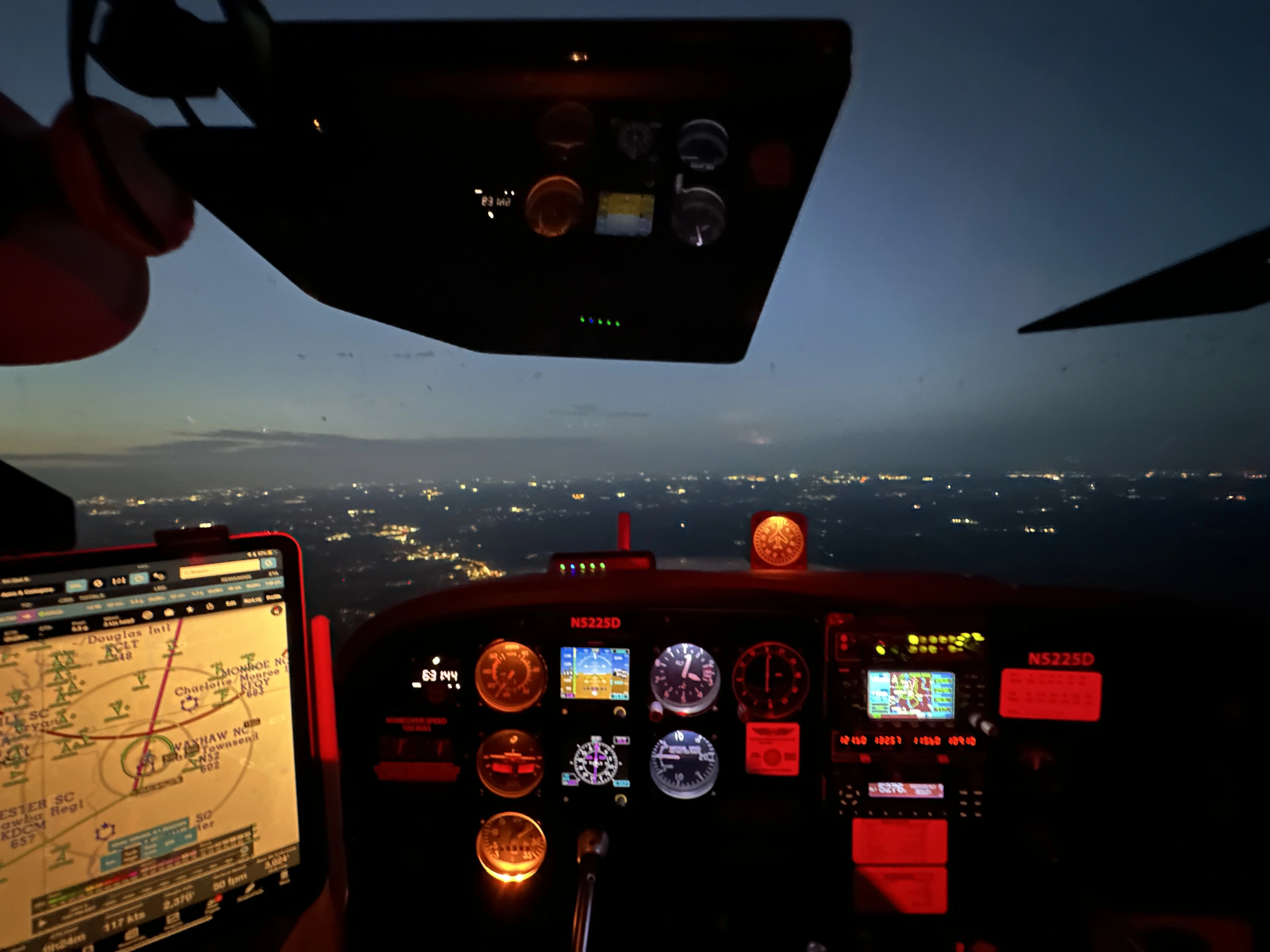
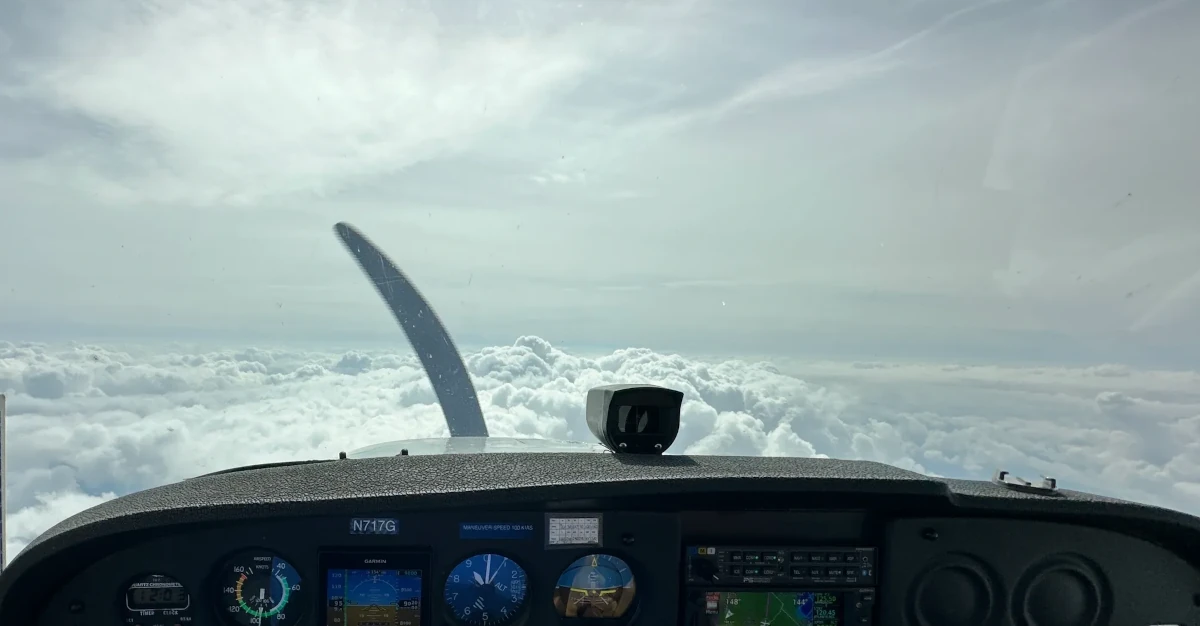
Airlines need pilots who can fly safely in clouds and rain. That is why your second step is the Instrument Rating (IR). You will learn to fly using only your aircraft’s instruments. This step is vital for your safety. It builds your precision and confidence. You will need 50 hours of cross-country flight time and 40 hours of simulated instrument time. Our Redbird simulators help you train for emergencies and tough weather without leaving the ground.
Step 3: Becoming a Professional (Commercial Pilot)
Once you have the skills, you need the license to get paid. The Commercial Pilot Certificate (CPL) is your ticket to a job. You need a total of 250 flight hours to qualify. This sounds like a lot, but our structured training keeps you moving forward. We offer a “Zero-to-Hero” path that can get you through these ratings for under $100,000. This is often much less expensive than university programs, which can cost significantly more.
Step 4: Building Experience (Flight Instructor)
Airlines usually require 1,500 flight hours. You finish your Commercial license with about 250 hours. How do you bridge that gap? You teach. Becoming a Certified Flight Instructor (CFI) is the best way to build hours while earning money. You master your knowledge by teaching others. We also help connect our graduates to SimpliFly for potential hiring opportunities. It is a smart way to log the hours you need for the airlines.
The Auburn Advantage
Where you train matters as much as how you train. We are located at Lanett Municipal Airport, just 30 minutes from Auburn. Why does this matter? Large airports have busy towers. You might spend 20 minutes on the ground just waiting to take off with the engine running. That wastes your money and your time. Here, you maximize your flight time. You get more takeoffs and landings per hour. This efficiency helps our students progress up to 30% faster.
Ready to Launch Your Career?
The demand for pilots is real. The timeline is clear. You do not need to wait to start your journey. Whether you are in Auburn, Opelika, or LaGrange, your future office is waiting at 4,000 feet. If you are worried about the cost, check our financing options to see how we can help. Stop dreaming and start flying.
Are you ready to take the first step? Contact Blue Skies Above today to schedule your Discovery Flight.