Instrument Rating Training Near Auburn, AL: 2026 IFR Guide
Published by:
Matthew Bourguignon
Published on:
Updated on:
Read time:
9 min read
If you are searching for instrument rating training near Auburn, AL, the short answer is this: an instrument rating is the next major step after your private pilot certificate if you want to fly under instrument flight rules, build sharper cockpit discipline, and keep moving toward advanced pilot training.
Blue Skies Above offers instrument rating training from Lanett Municipal Airport (7A3) in Lanett, Alabama, near Auburn. For Auburn-area pilots, that means you can train locally without turning every lesson into a long travel day.
This guide explains what the rating actually does, what Part 61 applicants should understand, what affects cost and timeline, and what to ask before you enroll.
What an Instrument Rating Means in Plain English
An instrument rating is not a separate pilot certificate. It is a rating added to your pilot certificate.
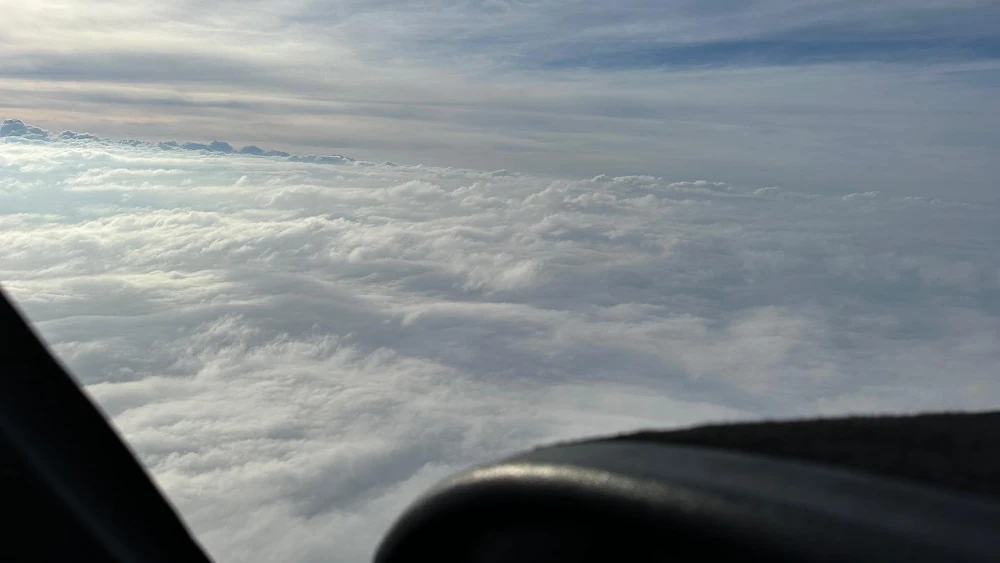
With the proper rating, aircraft, currency, proficiency, and operating conditions, a pilot can fly under IFR, which means instrument flight rules. That matters because IFR flight uses published procedures, clearances, navigation systems, and cockpit instruments instead of relying only on outside visual references.
IMC means instrument meteorological conditions. That is weather where outside visual references may not be enough. IFR is the set of rules. IMC is the weather condition. The two terms are related, but they are not the same thing.
Without an instrument rating, most private pilots plan around VFR weather minimums and visual references. With instrument training, you learn how to manage the cockpit when the outside picture is limited, the workload rises, and every step needs to be more precise.
That does not mean an instrument rating lets you fly in any weather. It does not remove risk. It does not make storms, icing, fatigue, poor planning, or weak proficiency disappear.
The real value is more practical: you learn IFR procedures, instrument scan, weather decision-making, radio work, navigation, approach planning, missed approaches, and workload management.
Why Auburn-Area Pilots Look for IFR Training Near Home
Instrument training rewards consistency. Long gaps between lessons can make scan, procedures, radio rhythm, and approach briefings feel harder than they need to be.
That is why location matters. Blue Skies Above is based at Lanett Municipal Airport (7A3), and the school serves students from Auburn, Opelika, Columbus, LaGrange, and nearby Alabama-Georgia communities. The site describes Lanett as near Auburn, with Auburn listed as about 30 minutes away depending on where you start and local traffic.
For a student balancing school, work, family, or other commitments, that local access can help you protect your training rhythm. It also gives you a place to visit the school, see the aircraft, meet the team, and ask direct questions before you commit.
The local angle is not that one airport is automatically better than another. Towered and non-towered airports build different skills. A non-towered home airport can reduce some ground friction, while instrument students still need radio, ATC, procedure, and controlled-airspace proficiency.
The better question is this: can the school help you train often enough, with the right aircraft and instructor support, to keep IFR skills from getting stale between lessons?
Part 61 Instrument Rating Requirements to Know
For Part 61 airplane instrument-rating applicants, 14 CFR 61.65 is the key FAA rule to check. Do not treat a blog post as your legal source. Use it as a plain-English roadmap, then confirm your exact situation with your instructor and current FAA guidance.
Here are the major pieces most students need to understand.
| Requirement area | What it means for you |
|---|---|
| Pilot certificate | For an airplane instrument rating under Part 61, applicants generally need to hold at least a private pilot certificate with the appropriate aircraft rating. |
| Knowledge test | You need to prepare for and pass the FAA instrument rating knowledge test. |
| Cross-country PIC time | The Part 61 path includes at least 50 hours of cross-country flight time as pilot in command. |
| Instrument time | The Part 61 path includes at least 40 hours of actual or simulated instrument time. |
| Instrument instruction | That instrument time includes at least 15 hours of instrument flight training from an authorized instructor. |
| Practical test | After meeting the requirements and receiving the proper endorsement, you take the instrument practical test, commonly called a checkride. |
The FAA requirements include more detail than this table can cover. The point is to understand the shape of the path before you start: you are not just logging time. You are building knowledge, judgment, precision, and test readiness.
If you want to verify the rule directly, review 14 CFR 61.65.
What You Actually Learn During IFR Training
Instrument flight training changes how you think in the airplane.
In private pilot training, much of your early work depends on outside references. You look outside, control the aircraft, manage the traffic pattern, build weather judgment, and learn the basics of cross-country planning.
Instrument training adds a different kind of discipline. You learn to trust your instruments, brief procedures, manage navigation equipment, communicate clearly, and stay ahead of the aircraft when the workload is high.
Common training areas include:
- Attitude instrument flying and instrument scan
- Holding procedures
- IFR clearances and radio communication
- Enroute IFR navigation
- Approach procedures
- Missed approach procedures
- Partial-panel and abnormal scenarios
- Weather planning and personal minimums
- Cross-country planning under IFR
- Checkride preparation using FAA standards
The goal is not just to pass a test. The goal is to make better decisions when weather, workload, and procedures get more complex.
Cost and Timeline: What to Ask Before You Enroll
The current Blue Skies Above site lists an instrument rating package at $25,410. It also lists an approximate 27-week package structure.
Treat those numbers as a planning starting point, not a guarantee. Pricing, financing, and package details can change. Actual cost and timeline vary by proficiency, schedule, weather, aircraft availability, instructor availability, checkride scheduling, and how much cross-country PIC time you already have.
The current site lists the instrument package structure this way:
| Package item | Current site listing |
|---|---|
| Lesson pace | 3 lessons per week |
| Flight time | 40 hours of flight time |
| Flight instruction | 40 hours of flight instruction |
| Ground instruction | 30 hours of ground instruction |
| Materials | Ground school kit included |
| Planning note | FAA requires 50 hours of cross-country flight time as pilot in command; additional time building may be required |
Before you enroll, ask for a current estimate that separates:
- Aircraft hourly rate
- Instructor rate for flight and ground
- Ground school or test prep
- FAA knowledge test fee
- Practical test or DPE fee
- Aircraft rental for the checkride
- Supplies, headset, charts, subscriptions, or apps
- Extra hours if you need more time to reach proficiency
- Financing assumptions, if you plan to apply
Financing options may be available to qualified applicants, but do not assume approval, monthly payment, rate, or deferment terms until you have current lender details.
Why Aircraft and Avionics Matter for Instrument Training
Instrument training is cockpit-workflow training. The aircraft and avionics you use shape how you practice that workflow.
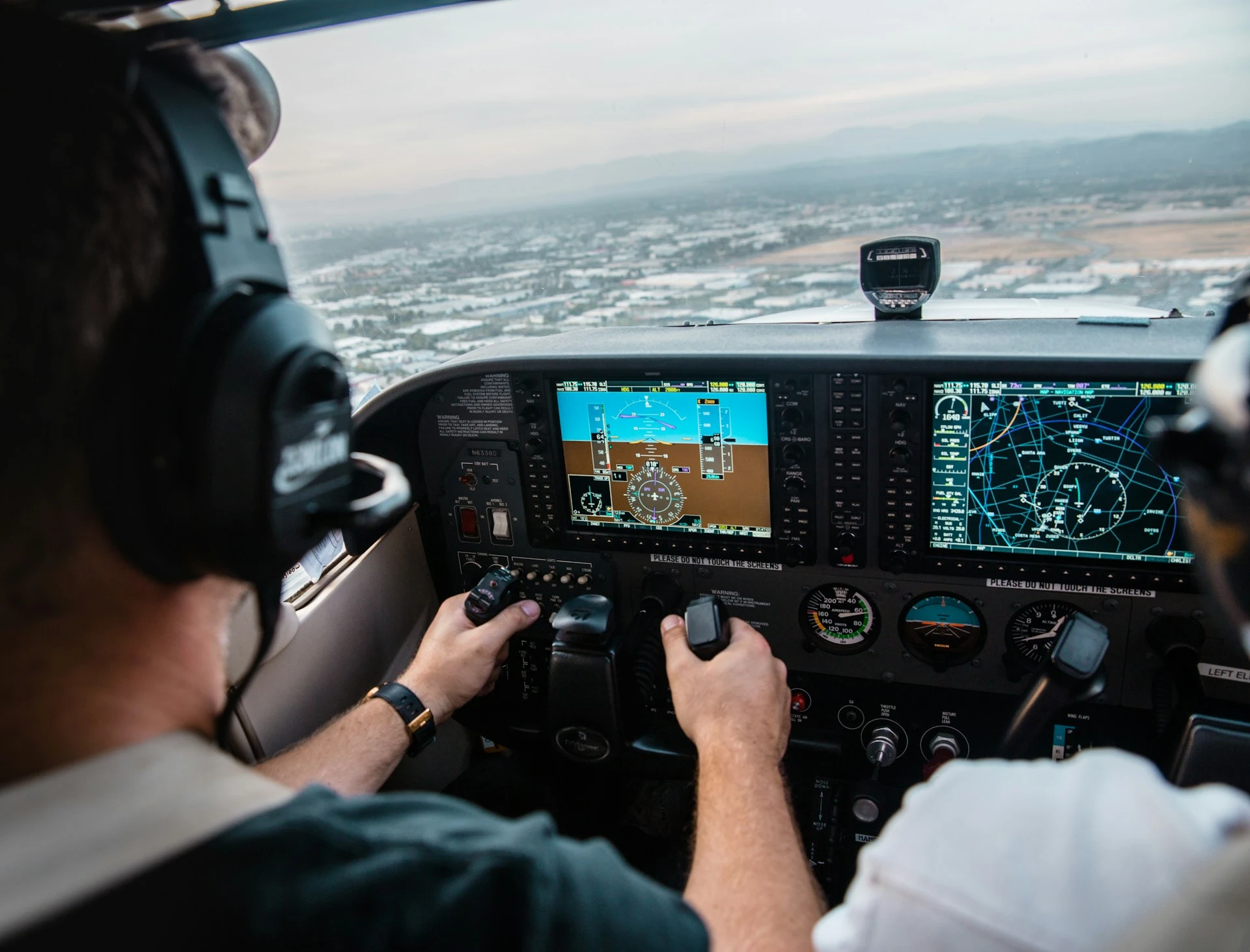
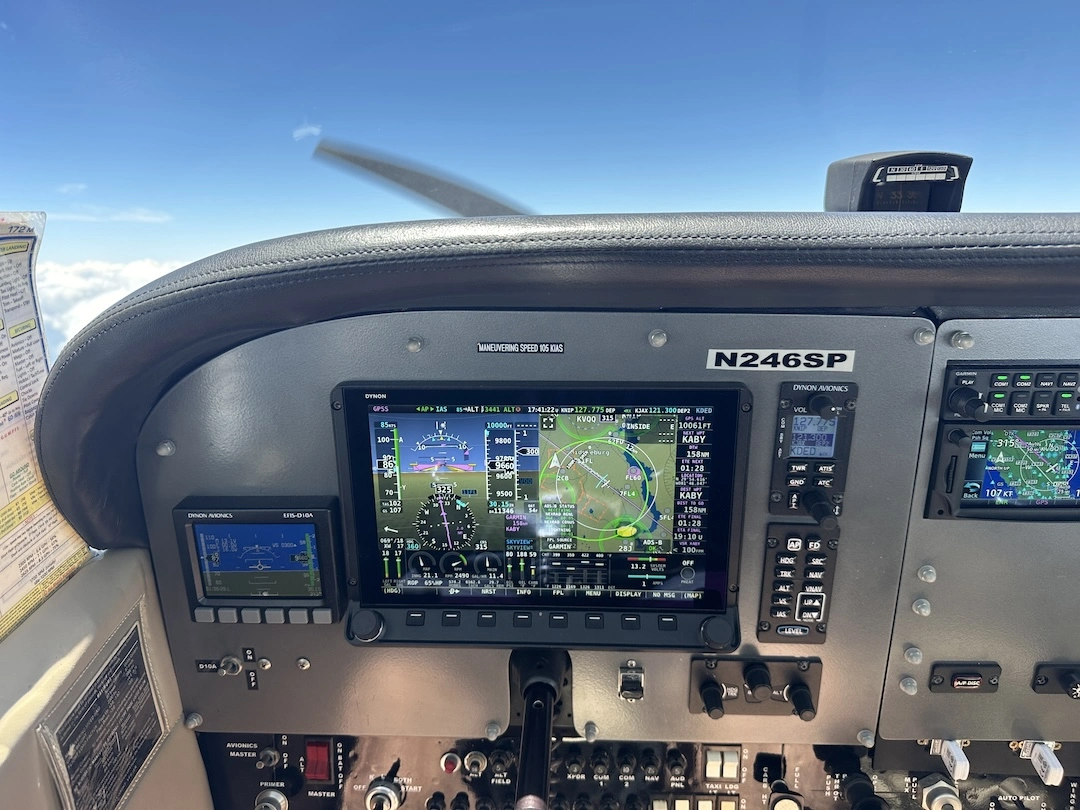
Blue Skies Above’s fleet page lists Cessna 172N aircraft with avionics such as G5, G430/G530, Dynon Skyview, and GTN 650 equipment, depending on the aircraft. That kind of equipment can help students practice instrument scan, navigation, and cockpit task management in equipped aircraft.
The careful wording matters here. Modern avionics do not automatically make training safer or better. They are tools. You still need instruction, discipline, checklist habits, weather judgment, and proficiency.
When you visit a school, ask which aircraft are used for instrument training, what avionics are installed, how scheduling works, and how instructors teach students to manage both automation and basic instrument skills.
Common IFR Training Mistakes That Cost Students Time
Most instrument students do not lose time because they are not smart enough. They lose time because the training rhythm breaks down.
Here are the common problems to avoid.
Waiting Too Long Between Lessons
Instrument skills are perishable. If you train once, stop for three weeks, then come back, the first part of the next lesson may become review.
Ask what training pace the school recommends and whether your schedule can support it.
Starting Without a Cross-Country Time Plan
Part 61 applicants need cross-country PIC time. If you do not know how much you already have, you may not know how close you are to the requirements.
Bring your logbook and ask the school to help you identify the gap.
Treating the Knowledge Test as a Side Task
The FAA knowledge test is not just a box to check. It supports the decisions you make in the airplane.
Plan your ground study early. Do not wait until flight lessons are moving faster than your understanding.
Assuming the Package Price Covers Every Possible Cost
Package pricing can be useful, but every student is different. If you need extra time, extra ground instruction, or extra checkride preparation, your total cost can change.
Ask what is included, what is excluded, and what usually causes students to go beyond the planned structure.
Not Asking About Checkride Planning Early
A Designated Pilot Examiner, or DPE, is an FAA-appointed designee authorized to conduct certain practical tests. DPE availability varies by location, examiner authorization, aircraft, scheduling demand, and FAA oversight.
Do not assume a checkride date will appear exactly when you want it. Ask how the school helps students plan for practical-test timing.
How to Compare IFR Training Options Near Auburn
If you are comparing instrument flight training near Auburn, do not compare schools only by headline price.
Use these questions instead:
| Question | Why it matters |
|---|---|
| How often can I realistically fly? | Consistency protects instrument scan, procedures, and confidence. |
| Which aircraft will I train in? | You need to know the avionics, equipment, and scheduling reality. |
| How will ground training be handled? | IFR knowledge and cockpit decisions are tightly connected. |
| What is included in the quoted price? | Testing, examiner, supplies, and extra hours may change the real total. |
| How do instructors track readiness? | You want a clear path to proficiency, not just logged hours. |
| How does checkride planning work? | DPE scheduling can affect your timeline. |
| What happens if weather or maintenance interrupts training? | Realistic expectations reduce frustration and surprise. |
The right school is the one that gives you a clear plan, explains the tradeoffs, and helps you understand what has to happen before the practical test.
FAQ: Instrument Rating Training Near Auburn
Is an instrument rating the same as an instrument certificate?
No. An instrument rating is added to your pilot certificate. In formal FAA-facing copy, “rating” is the accurate term.
Do I need a private pilot certificate first?
For an airplane instrument rating under Part 61, applicants generally need to hold at least a private pilot certificate with the appropriate aircraft rating. Your instructor can help confirm your exact eligibility.
How long does instrument rating training take?
Blue Skies Above’s current site lists an approximate 27-week package structure. Your actual timeline can vary based on lesson frequency, proficiency, weather, aircraft availability, instructor availability, and checkride scheduling.
How much does instrument rating training cost?
The current Blue Skies Above site lists an instrument package at $25,410. Confirm current pricing, inclusions, exclusions, and financing terms before making a decision.
What is the difference between IFR and IMC?
IFR means instrument flight rules. IMC means instrument meteorological conditions. IFR is the rule set. IMC describes weather where outside visual references may not be enough.
Can an instrument rating let me fly in any weather?
No. An instrument rating expands what you can legally and practically plan for, but you still need the right aircraft equipment, currency, proficiency, weather judgment, and compliance with operating rules.
Is instrument training useful for career-track pilots?
Yes, it is a common step for many pilots who plan to continue toward commercial training. It builds IFR procedures, cockpit discipline, navigation skills, and decision-making habits that support advanced training.
Take the Next Step Near Auburn
If you already have your private pilot certificate and want to add an instrument rating, start by getting a clear plan.
Bring your logbook, ask where you stand on cross-country PIC time, review the current instrument package, and talk through scheduling, aircraft, ground study, and checkride planning.
Blue Skies Above offers instrument rating training from Lanett Municipal Airport (7A3), near Auburn, Alabama. Visit the school or review the Instrument Rating program to see whether this training path fits your goals.