The Student Pilot’s Guide to Handling Radio Communication Anxiety
Published by:
Matthew Bourguignon
Published on:
Updated on:
Read time:
7 min read
If you’ve ever frozen up on the radio or hesitated before pressing the push-to-talk button, you’re not alone. Nearly every pilot, no matter how confident they seem today, once struggled with radio communication. At Blue Skies Above, we’ve helped hundreds of students find their voice in the cockpit and turn nervousness into confidence.
1. Understand Why Radio Anxiety Happens
It’s natural to feel pressure when communicating on frequency. Fast radio chatter, unfamiliar terminology, and the fear of making mistakes can be intimidating. But the truth is, air traffic controllers aren’t judging you, they’re there to help you stay safe and efficient. Every student pilot experiences this phase, and with practice, it fades quickly.
2. Learn What Controllers Want to Hear
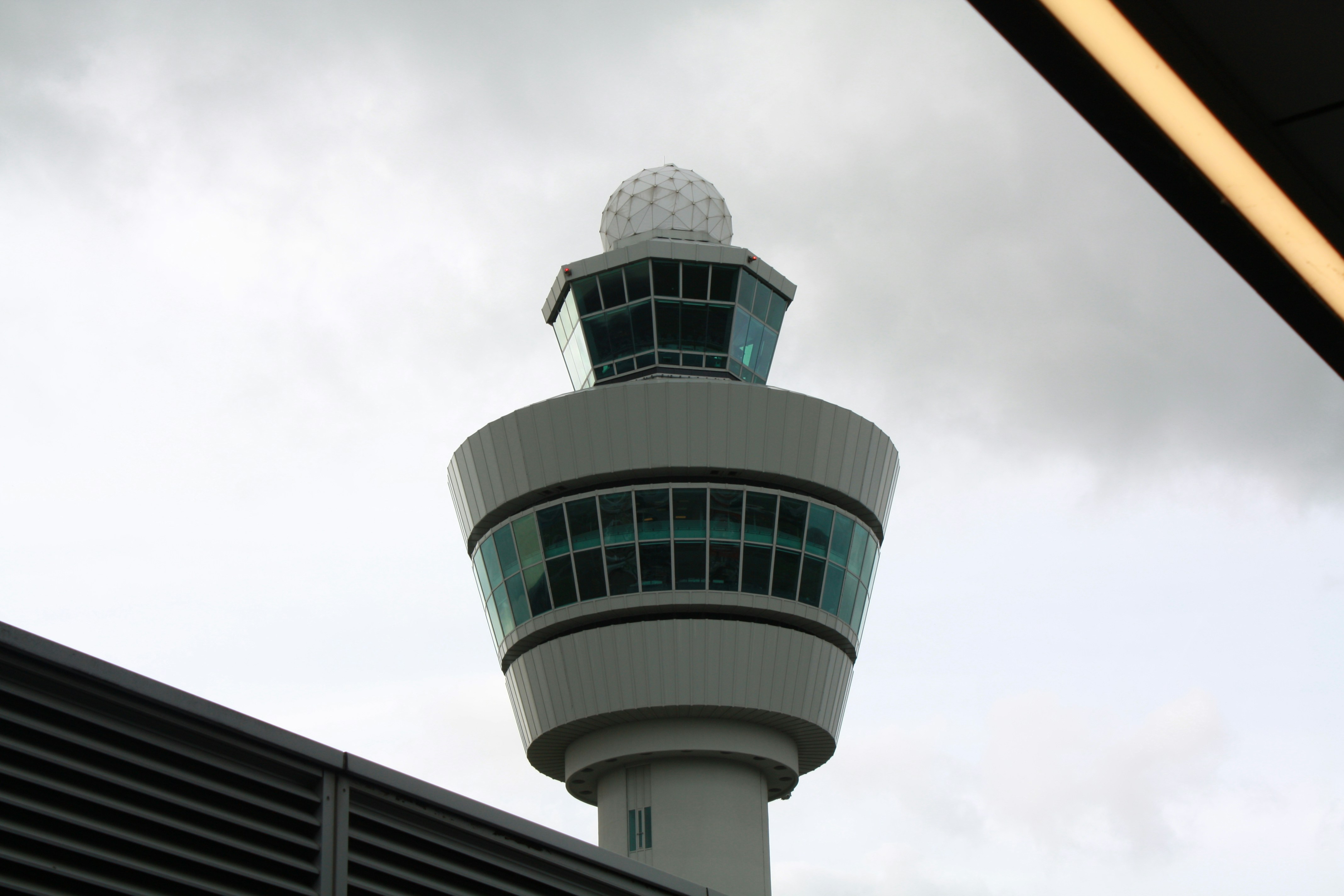
ATC communication isn’t about sounding perfect, it’s about being clear and concise. Controllers only need the essential details: who you are, where you are, and what you want to do. For example: ‘Columbus Tower, Cessna 12345, holding short Runway 24, ready for departure.’ Focus on clarity, not speed.
3. Practice Off the Mic
Confidence starts before you key the mic. Listen to live ATC feeds online, study standard phraseology, and rehearse common calls aloud. Some students even record themselves practicing radio calls during chair flying sessions. The more familiar the words feel, the less intimidating it becomes in the air.
4. Use Standard Phrases as a Safety Net
Aviation radio language is standardized for a reason, it keeps communication efficient and predictable. Keep a small cheat sheet or kneeboard reference handy with common phrases, such as pattern entry calls or position reports. Over time, you’ll internalize them and begin speaking naturally without needing prompts.
5. Slow Down and Breathe
If you ever feel overwhelmed on frequency, take a deep breath before transmitting. Pause for a second, collect your thoughts, and then speak calmly. Remember, clarity is more important than speed. Even professional pilots pause to ensure they’re transmitting the right message.
6. Gain Real-World Experience at Blue Skies Above
Our instructors provide live, in-flight coaching during radio calls so you can build confidence step by step. From initial pattern work at Lanett Municipal to cross-country communications at towered airports, you’ll gain experience in a variety of environments until talking on the radio becomes second nature.
Take the Next Step
Every great pilot started right where you are. With practice, patience, and the right mentorship, you’ll go from nervous to natural behind the mic. Schedule your next flight at Blue Skies Above and let us help you find your voice in the sky, one call at a time.